Challenges of Excavating Near the Coastline in Oahu’s Salt-Exposed Environment
Core Insight:
Excavating near Oahu’s coastline is highly complex due to salt exposure, shifting sand, high water tables, and ongoing erosion, all of which threaten stability and material durability. Successful coastal excavation requires careful planning, corrosion-resistant materials, proper drainage, and strict regulatory compliance to ensure long-term structural integrity and safety.
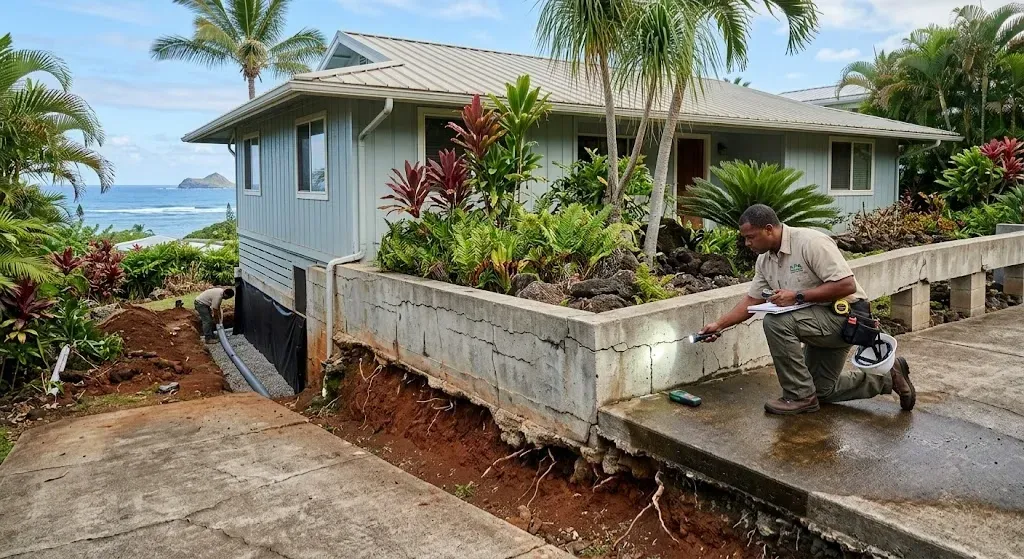
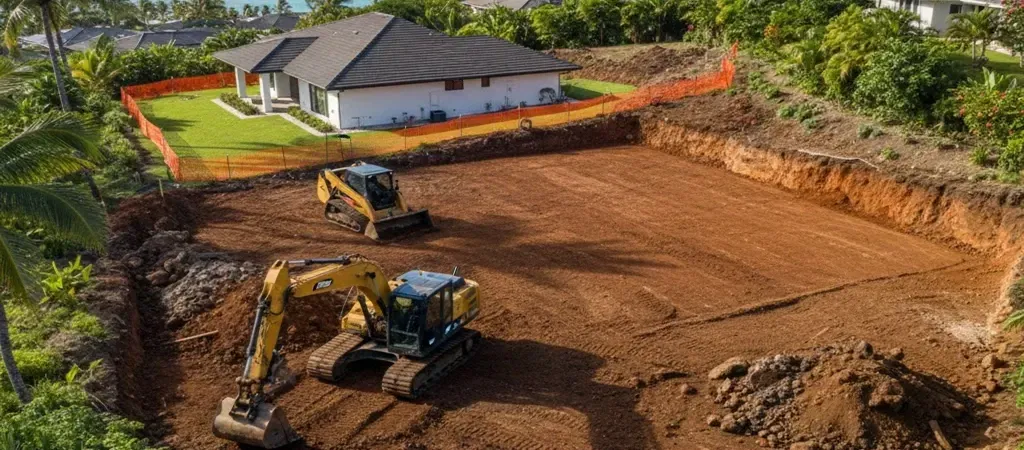
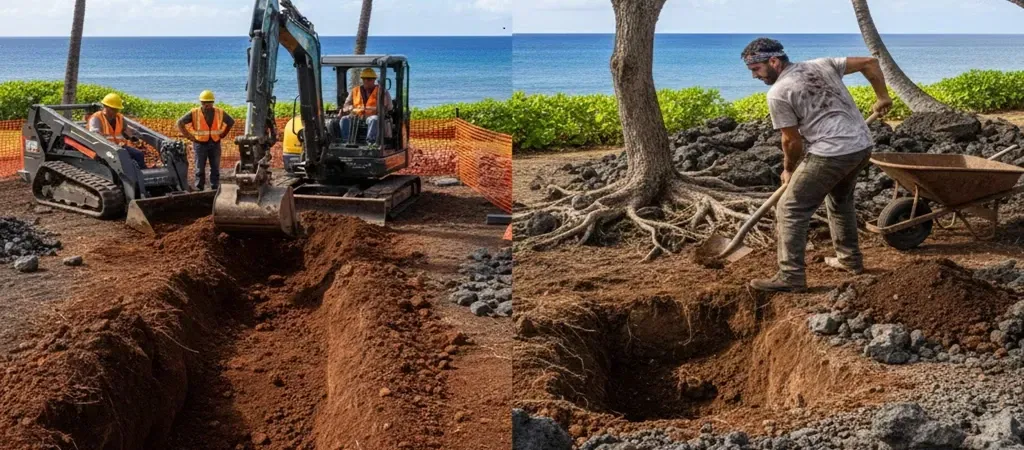
Coastal excavation demands a higher level of caution. Hawaiʻi’s coastline is beautiful, but it is constantly shifting. Salt in the air accelerates corrosion. Wind deposits sand where it does not belong. The water table rises quickly. A rushed excavation can lead to sinkage, unstable foundations, or damage to surrounding structures. These are not small issues. They affect everything from retaining walls to fencing posts, utility trenches, and new home foundations. For that reason, any excavation near the coastline requires a thoughtful approach informed by local knowledge.
Salt Exposure Weakens Materials Faster Than Expected
Salt exposure is one of the biggest challenges that
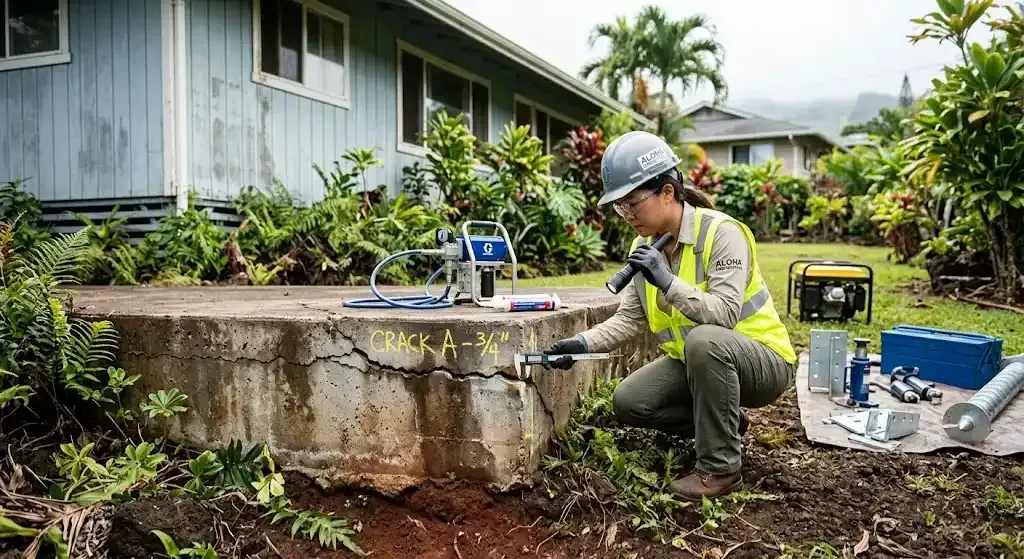
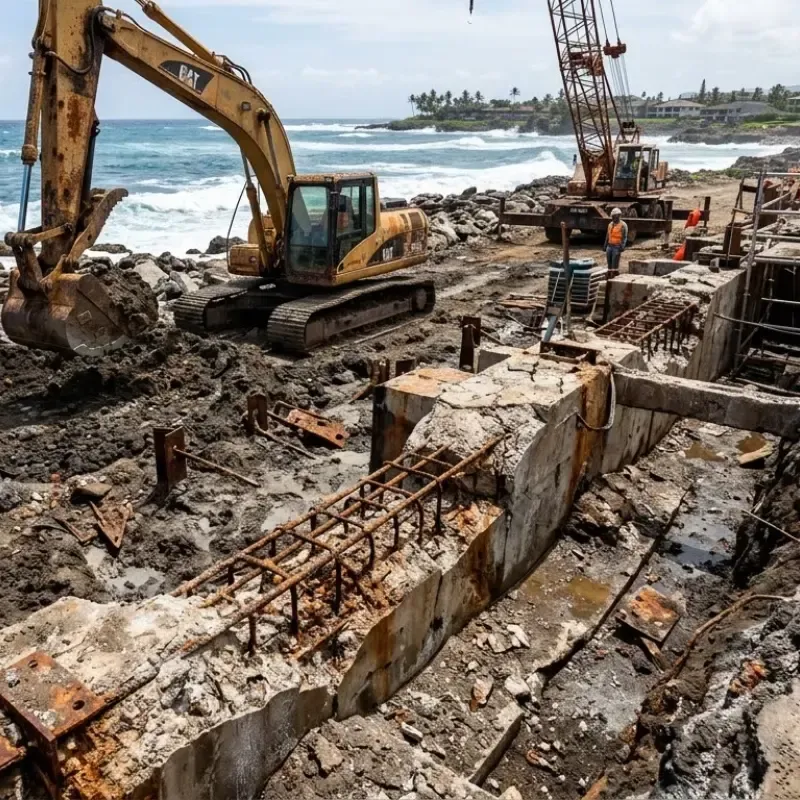
excavation services in Oahu face for any project near the water. Salt does not only sit on the surface. It enters the soil, increases moisture retention, and corrodes metal components. Rebar, anchors, screws, and even machinery suffer faster wear in coastal zones. If an excavation requires metal reinforcement or structural hardware, choosing the right grade of material is essential.
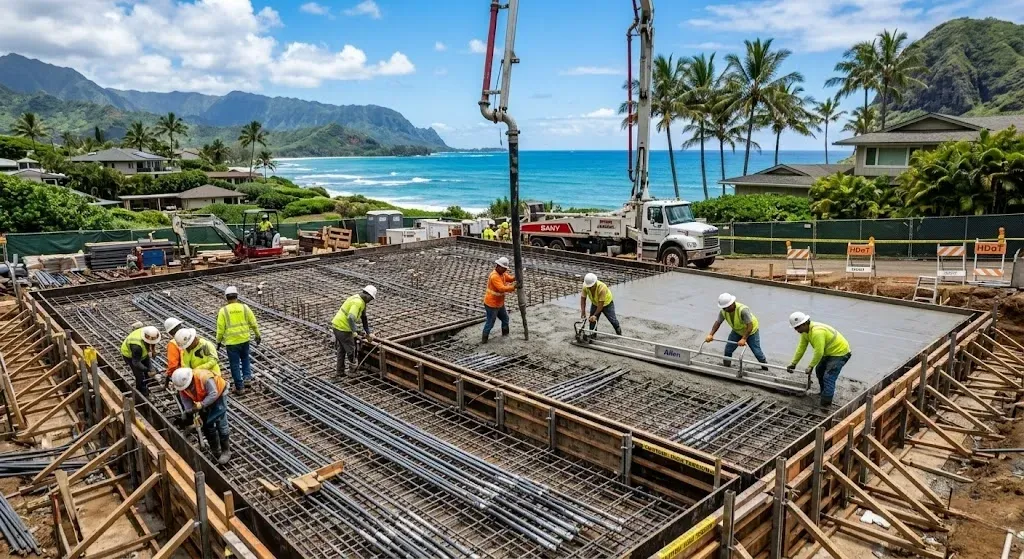
Salt-heavy soil can also alter the performance of concrete. Improper mixtures or insufficient curing reduce the strength of concrete footings that are meant to support fences, walls, or heavy structures. Mitigating salt damage is not optional. It is a central part of coastal excavation planning, and ignoring it often shortens the lifespan of the build.
Shifting Sands Create Unpredictable Soil Stability
According to our excavation team, coastal soil behaves differently from inland soil. Areas near the beach often consist of loose, sandy material that shifts under weight. Sand lacks cohesion, meaning it cannot hold shape on its own. Digging into sand creates unstable trenches that collapse easily, especially when the water table is close to the surface.
Excavating in these conditions requires strategic support systems. Using compacted base layers or engineered fills reduces future settlement. Without addressing the instability of sand, even shallow excavations can erode, tilt, or wash out within a year. Homeowners who assume that any contractor can dig in sand often discover that coastal excavation is specialized work that depends on skill, experience, and the right equipment.
High Water Tables Complicate Deep Digging
Near Oahu’s coastline, the water table sits much higher than many people realize. When machinery starts digging, groundwater may appear long before the trench reaches its intended depth. This is especially common on the North Shore and parts of East Oʻahu where ocean influence extends farther inland.
A high water table poses several challenges. Water weakens trench walls, making collapses more likely. It also disrupts footing installations, compromises compaction, and may require drainage solutions before work can continue. Pumping water out of the trench is sometimes necessary, but it is only a temporary fix. Understanding how the water table behaves in different seasons ensures that structural elements remain stable year-round.
Coastal Erosion Influences Excavation Depth and Placement
Erosion is a constant reality on island coastlines. Waves, rain, and wind gradually shift sand and soil, often faster than homeowners expect. Excavating too close to the shoreline without considering erosion patterns can weaken a structure over time.
Coastal erosion forces installers to think long-term. Footings must be deeper and positioned farther inland. Retaining walls require stronger support systems. Even fence posts need extra reinforcement because of how the soil loosens over the years.
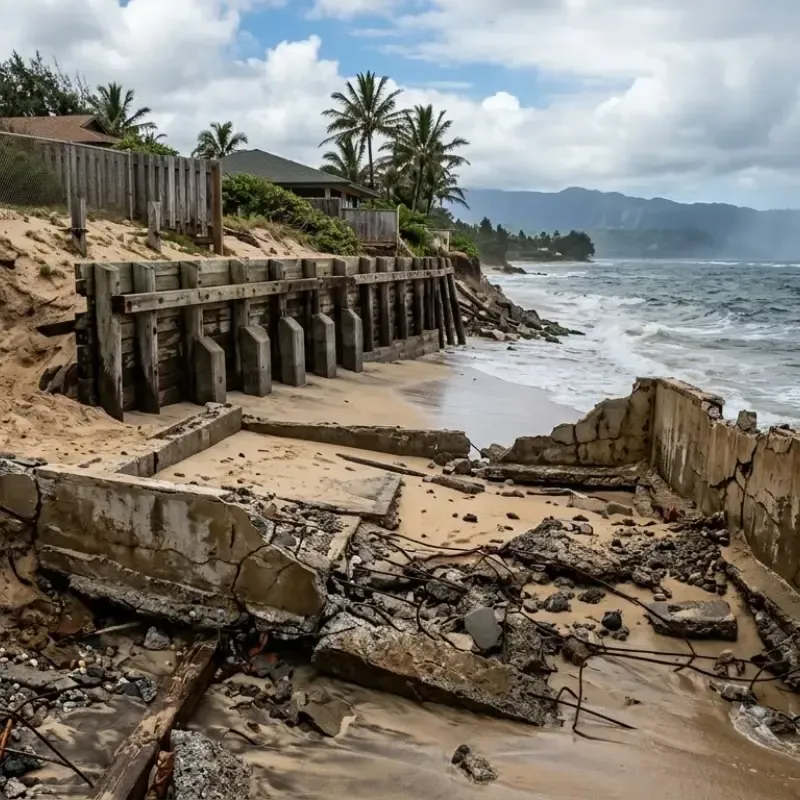
Ignoring erosion patterns often leads to gradual failure that becomes visible only after storms or unusually high tides.
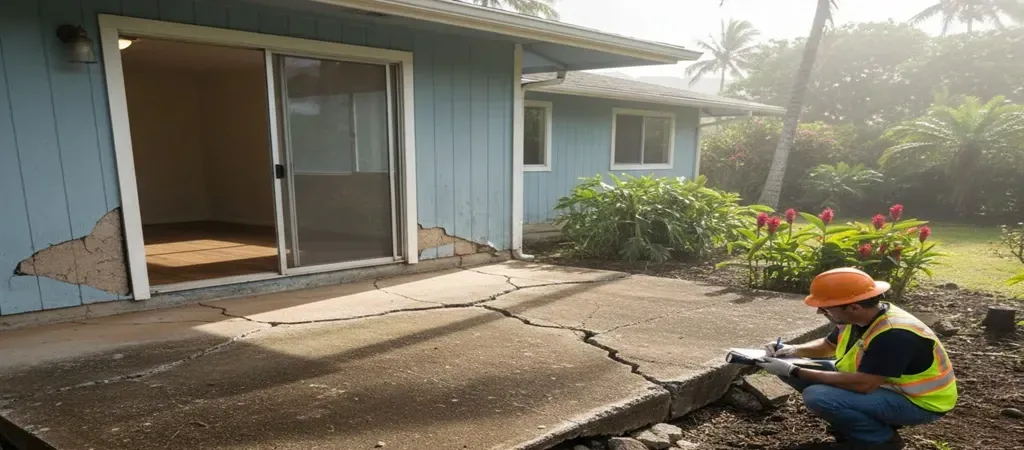
Even durable concrete can face challenges in Oahu’s unique climate. Discover why concrete repairs are so common on the island and what factors contribute to early wear and damage.
Corrosion Risks Extend to Equipment and Tools
Salt-rich air affects more than building materials. It also impacts the equipment used during excavation. Hydraulic components, engine parts, blades, and fasteners corrode faster near the ocean. When equipment is not maintained properly, the risk of malfunction increases. A failed machine can slow down the project or cause safety hazards during digging.
Experienced contractors plan for this by using corrosion-resistant equipment, regular lubrication schedules, and tool replacements tailored to Hawaiʻi’s coastal conditions. These practices reduce downtime and ensure excavation remains efficient even in harsh environments.
Proper equipment ensures precision and durability. See what tools Oahu concrete professionals consider essential.
Local Regulations and Environmental Protections Add Extra Steps
Working near Oahu’s coastline often involves strict environmental guidelines. Excavation close to dunes, wetlands, or protected vegetation triggers additional permitting and compliance steps. The island values its natural resources, and rightfully so. Disturbing certain areas can lead to fines or mandatory restoration work.
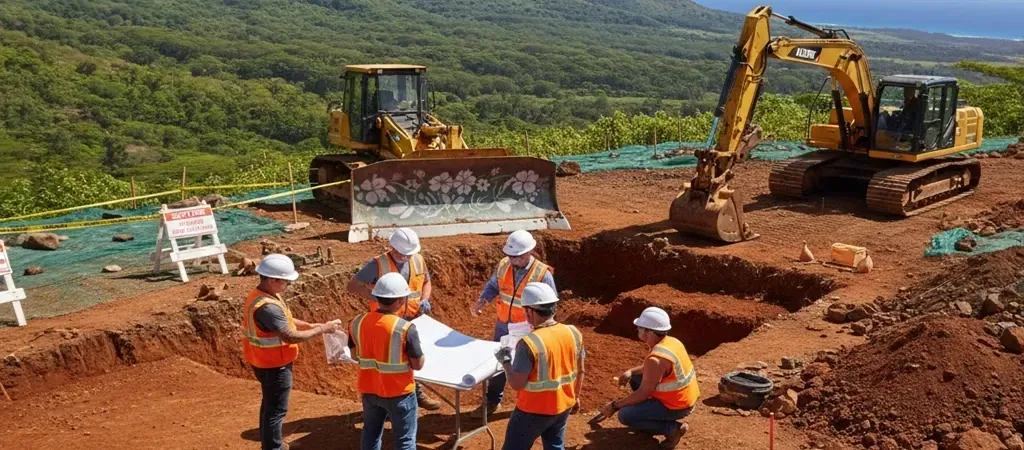
Understanding the regulatory landscape helps prevent delays. Proper documentation, site planning, and communication with local agencies ensure that excavation stays within legal and environmental boundaries. This layer of oversight may feel burdensome to homeowners unfamiliar with coastal rules, yet it is a crucial part of completing the project responsibly.
The right excavation team makes all the difference. See how to select dependable excavation services in Hawaii
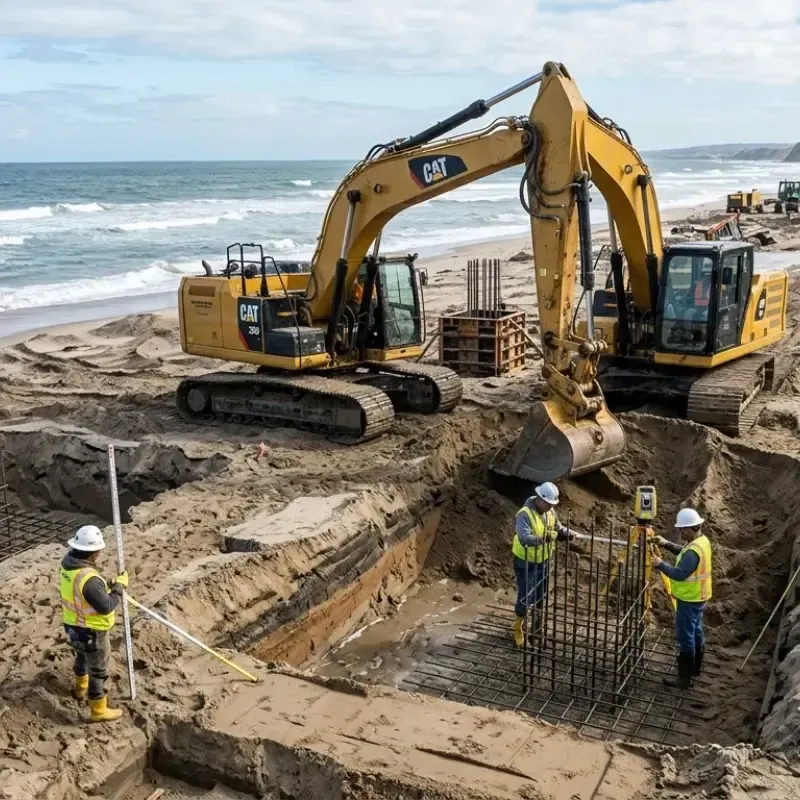
Coastal Excavation Requires Precise Footing and Alignment
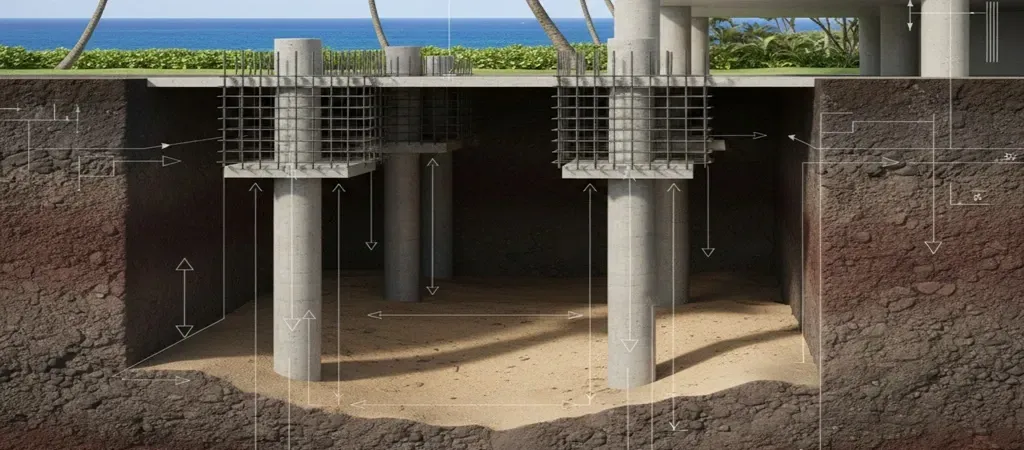
Foundations built near the coastline face more stress than inland builds. Strong winds, shifting ground, and salt exposure all test the structural integrity of the final product. Excavation must be precise. Footings must be deep enough to anchor the structure. Alignment must be exact so that walls, fences, and enclosures remain stable, even as the terrain shifts slightly over time.
Rushing the excavation stage creates problems that become expensive to correct later.
A stable footing begins with proper depth, compaction, and material selection. These fundamentals determine how the structure performs under island conditions.
Drainage Planning Determines Long-Term Stability
Water management is essential in coastal projects. When the soil absorbs moisture from salt air, rainfall, and nearby waves, the ground becomes saturated quickly. Standing water around footings leads to erosion and instability.
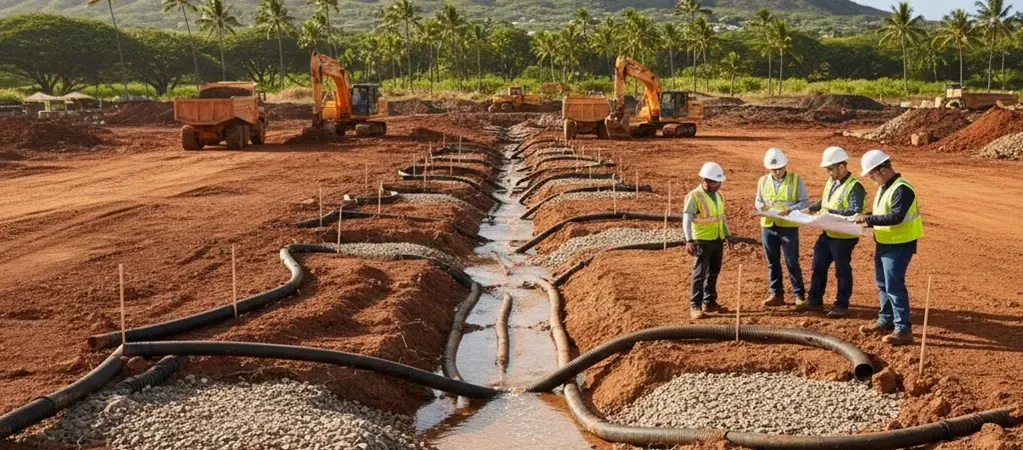
Proper drainage design protects the excavation site. Techniques like sloping the ground away from the structure, installing gravel beds, or using perforated drainage systems help manage water effectively. Drainage is often invisible once a project is complete, yet it quietly keeps the entire structure stable.
Final Thoughts
Excavating near the coastline in Oahu is a task that demands respect for the land and deep awareness of island conditions. With careful planning and experienced decision-making, projects built near the shoreline can remain strong and reliable, even in Hawaiʻi’s demanding coastal environment.