When Your Oahu Property Needs Grading, Leveling, or Full Excavation
Project Fit Guide:
Choosing between grading, leveling, or full excavation in Oʻahu depends on soil conditions, drainage, and project goals. While grading manages surface water, leveling creates usable space, and excavation resolves deeper instability, selecting the wrong approach can lead to long-term structural issues. Proper evaluation ensures lasting stability and prevents costly corrections.
Based on real projects across the island, the most expensive construction mistakes usually start below ground. Understanding when your property needs simple grading versus full excavation is one of the smartest decisions a homeowner or developer can make.
Why Oʻahu Properties Are Different
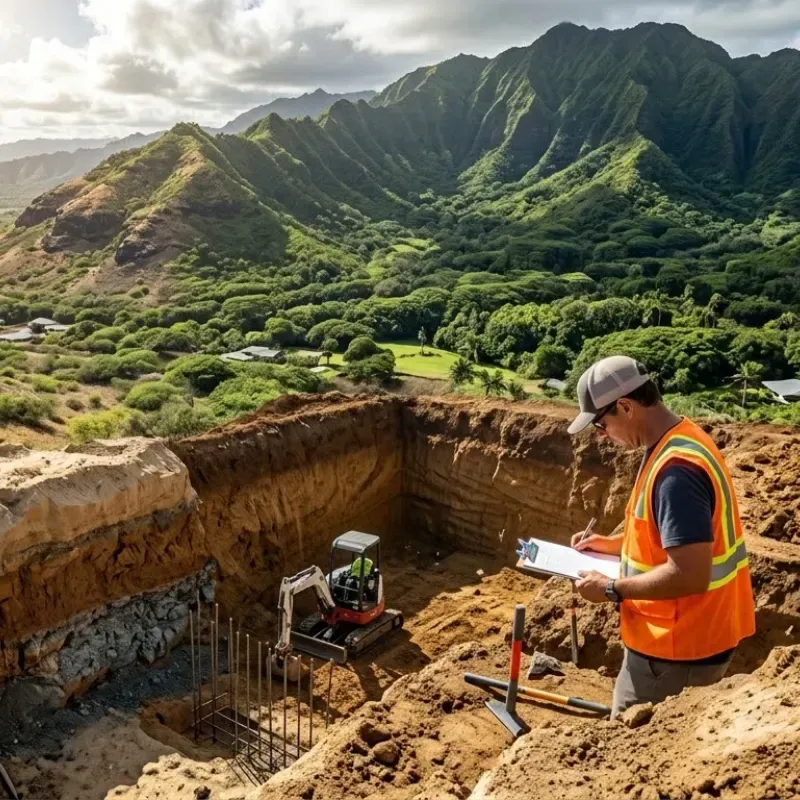
Oʻahu’s terrain is complex. Coastal areas often contain sandy or loose fill, while inland regions may have dense clay or weathered volcanic material. Rainfall patterns vary sharply by location, with windward areas receiving significantly more precipitation than leeward neighborhoods.
According to professional excavation services in Oahu, Hawaiʻi soils are highly variable and strongly influenced by volcanic activity and climate. This variability means that surface conditions can be misleading. A yard that looks stable may behave very differently once disturbed.
This is why earthwork decisions here must be site-specific rather than based on generic rules.
When Grading Is Enough
Grading involves reshaping the surface of the land to manage water flow and create gentle slopes. In our work, grading is usually sufficient when the goal is drainage correction or minor elevation adjustment.
Signs your property may need grading include water pooling after rain, soil washing toward foundations, or uneven surface runoff. Proper grading directs water away from structures, fences, and retaining walls.
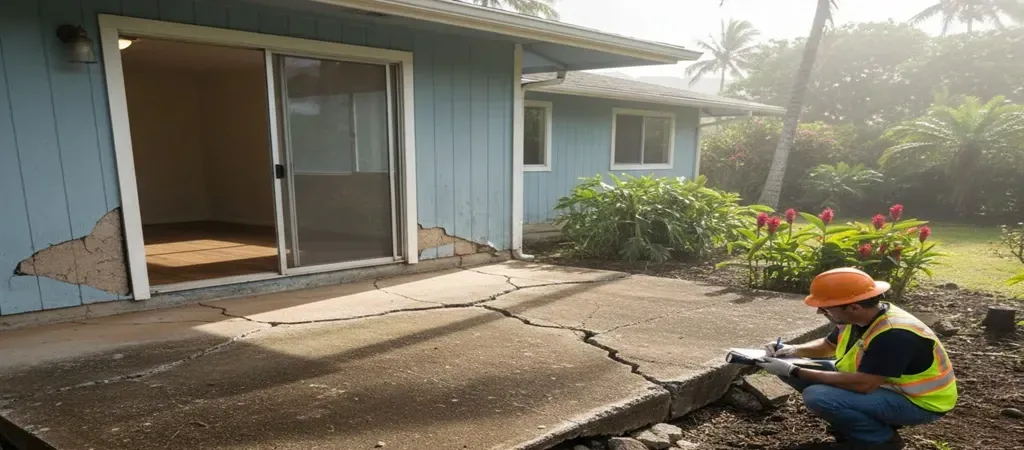
The tradeoff is that grading works best when soil conditions are relatively stable. It does not correct deep settlement issues or compensate for poorly compacted fill.
When Leveling Becomes Necessary
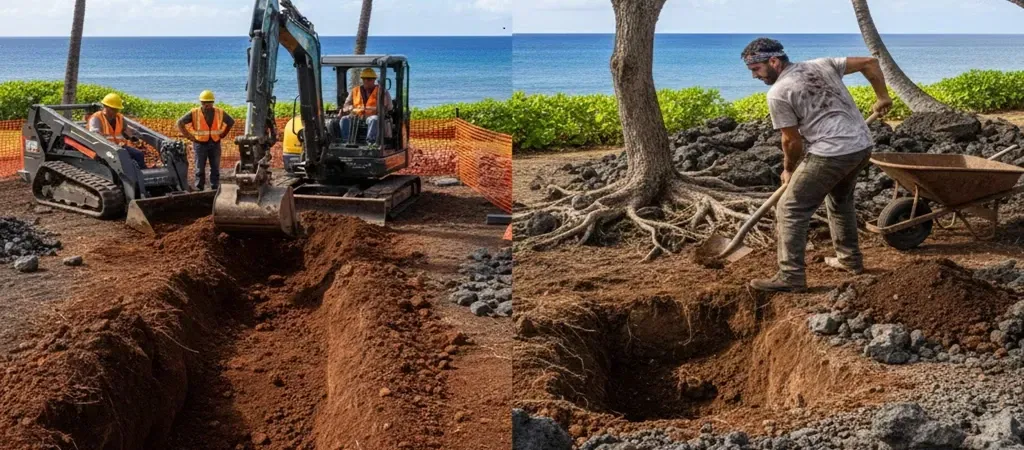
Leveling involves creating a flat, consistent surface suitable for patios, driveways, fences, or small structures. On Oʻahu, it’s often required before installing gates, walls, or hardscape features.
We have seen many fence failures caused by skipping this step. Posts installed on uneven or sloped ground shift over time, especially in wet conditions. Leveling reduces uneven load distribution and improves long-term alignment.
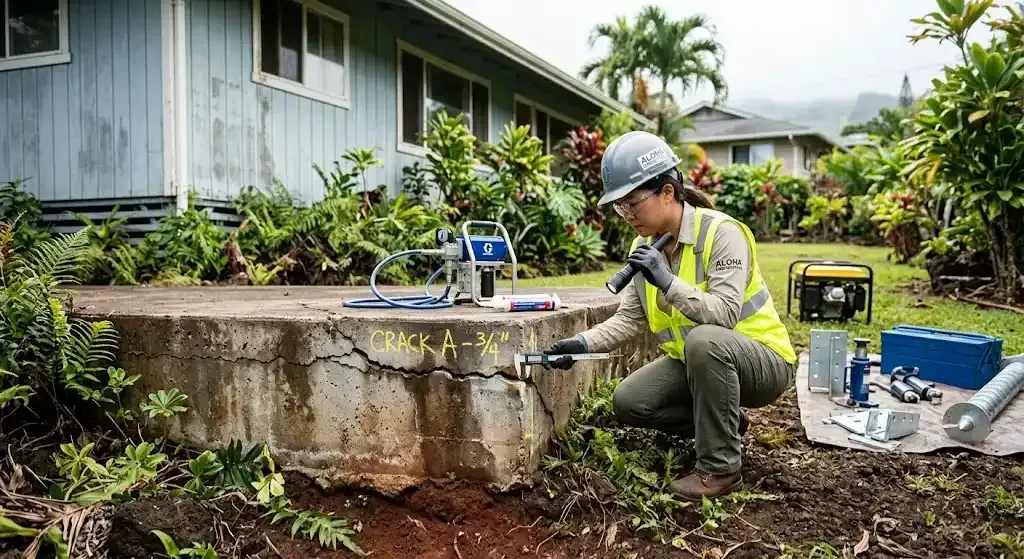
However, leveling removes more material than grading and may expose weaker soil layers. This means compaction becomes critical. Without proper compaction, a level surface can still settle unevenly after construction.
When Full Excavation Is the Right Call
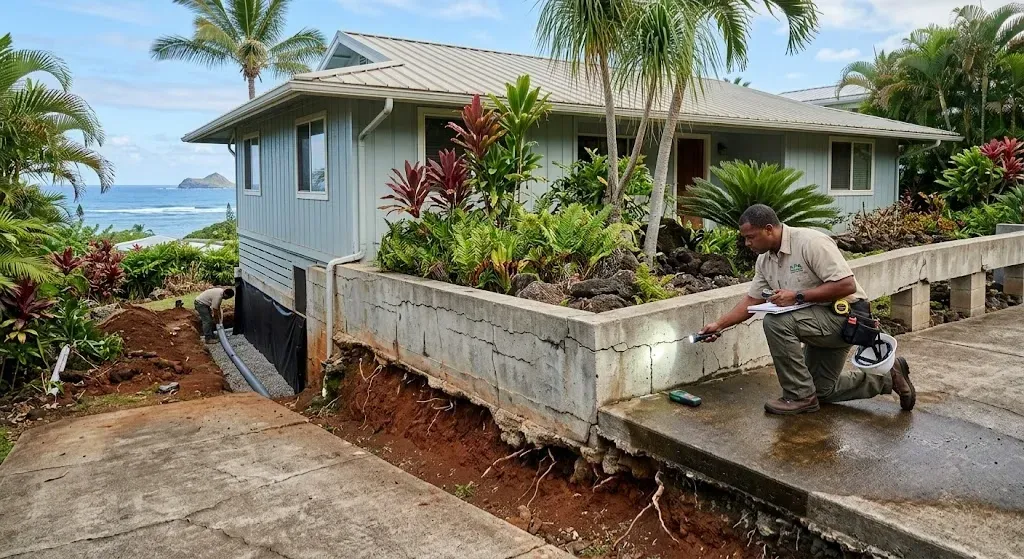
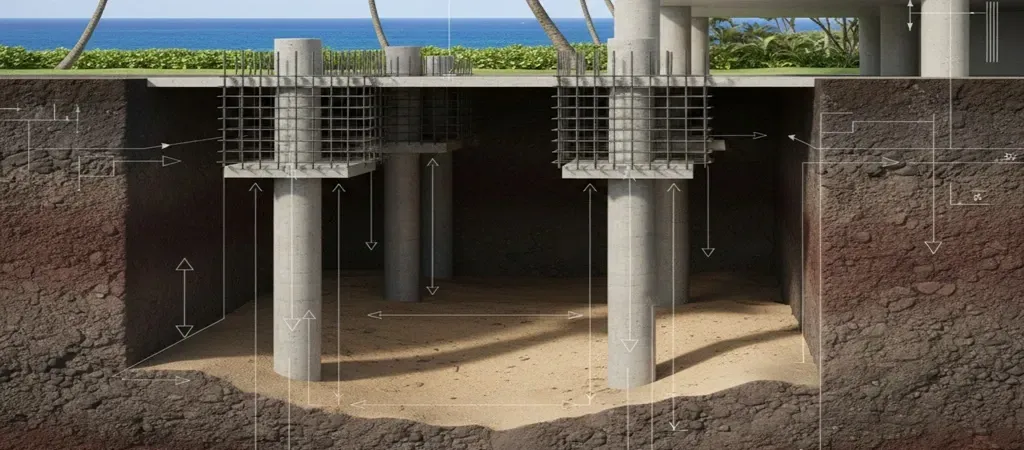
Full excavation is necessary when surface adjustments are not enough to address underlying problems. This includes sites with unstable fill, buried debris, or slopes that exceed safe grading limits.
In our experience, our excavation team in Oahu often finds that excavation is required for older properties where soil was previously altered without proper engineering. Excavation allows weak material to be removed and replaced with properly compacted fill.
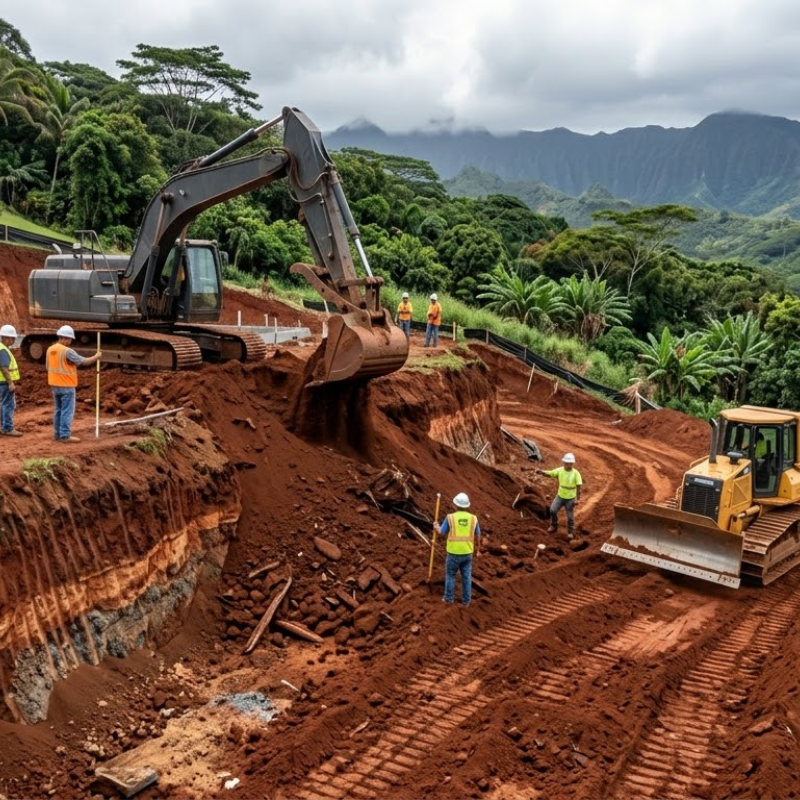
According to the U.S. Environmental Protection Agency, soil conditions that reduce infiltration, such as compaction or sealing, increase the risk of flooding and potential structural damage during heavy rainfall. On Oʻahu, where storms can saturate soil quickly, this risk is amplified.
Excavation is more invasive and costly, but it provides long-term stability when surface solutions would fail. To learn more, explore the Key Factors to Consider Before Starting an Excavation Project in Hawaii.
Drainage Is the Common Thread
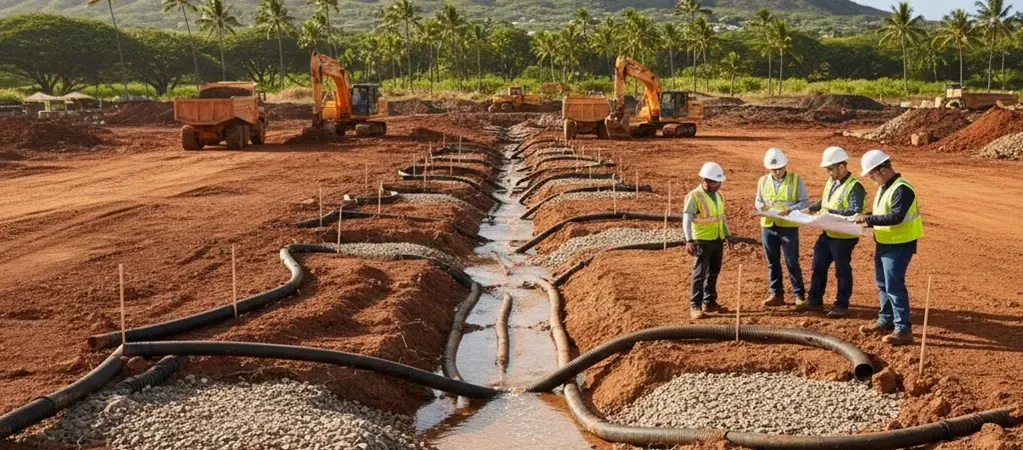
Regardless of which approach is used, drainage is the deciding factor. Poor drainage undermines grading, leveling, and excavation alike.
The Hawaiʻi Department of Transportation highlights the importance of managing surface and subsurface water to prevent erosion and soil movement. This principle applies just as much to residential properties as it does to roads.
We have seen projects where proper excavation was done, but drainage was ignored. Within a few seasons, water pressure caused soil migration and movement. Earthwork without drainage planning is incomplete work.
Common Mistakes Property Owners Make
Several mistakes appear consistently across projects.
One is assuming visible slope equals a grading problem, when the real issue lies deeper. Another is leveling without addressing soil compaction. A third is underestimating how much rainfall can affect even small elevation changes.
Another frequent error is piecemeal work. Grading one area while ignoring adjacent sections often redirects water toward new problem zones.
Each of these mistakes usually results in additional work later.
How Location Changes the Decision
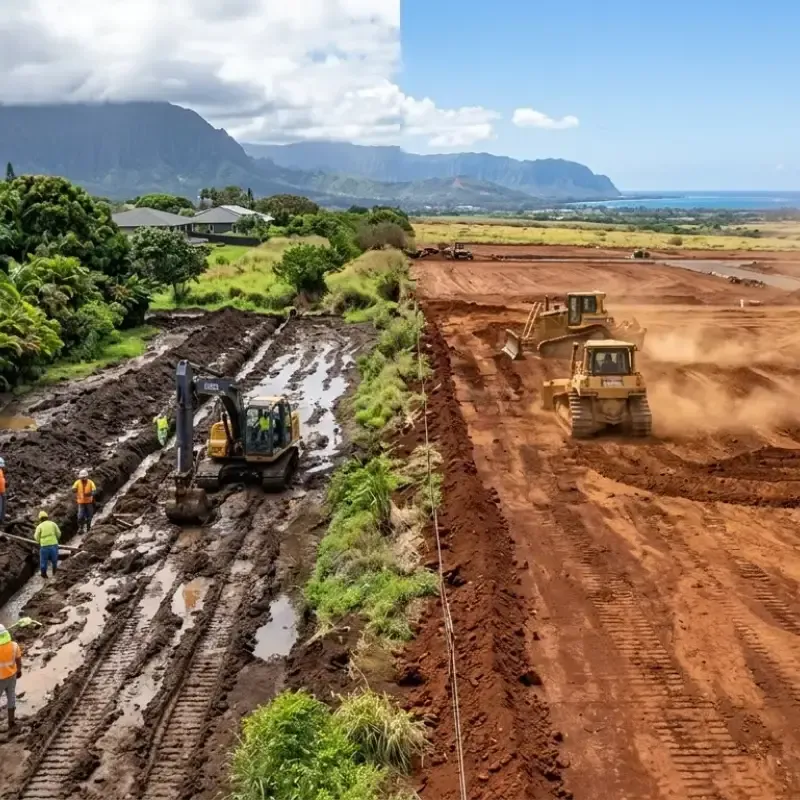
A property in Kāneʻohe faces different challenges than one in Kapolei. Windward moisture levels demand more aggressive drainage planning. Leeward areas may struggle with compacted, dry soils that resist proper leveling.
According to the National Weather Service Honolulu office, rainfall across Oʻahu varies dramatically between regions, with windward areas receiving much more precipitation than leeward areas.
This means earthwork decisions must reflect local conditions rather than island-wide assumptions.
What works in one neighborhood may fail in another. This is why earthwork decisions here must be site-specific rather than based on generic rules. Find out how O‘ahu’s unique volcanic soil influences residential excavation.
Making a Smarter Decision
The smartest approach is not choosing the cheapest option, but the appropriate one. Grading solves surface water issues. Leveling creates usable space when soil conditions allow. Excavation addresses fundamental stability problems.
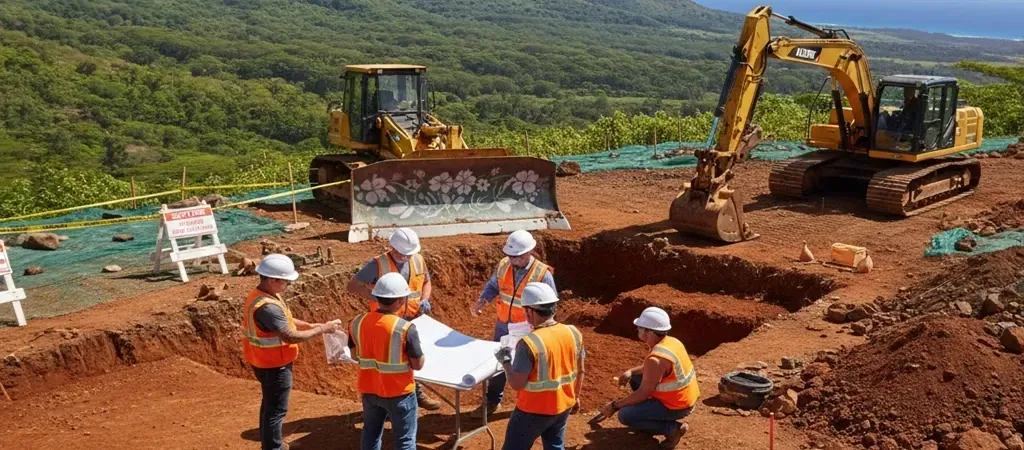
In our work, the most successful projects begin with honest evaluation of the site rather than assumptions based on appearance.
A property that is prepared correctly at the start rarely needs correction later.
What Property Owners Should Take Away
Earthwork sets the foundation for everything that follows. On Oʻahu, ignoring soil behavior, drainage, and terrain is a costly mistake.
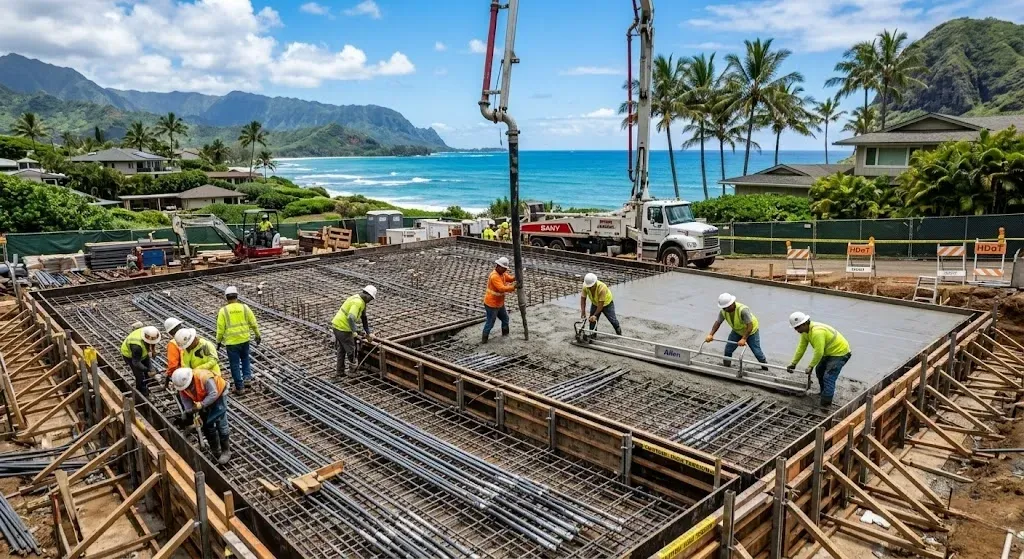
When grading, leveling, or excavation is chosen correctly, the rest of the project becomes easier, safer, and more durable. That confidence is the real value of doing it right the first time.
Reach out to professionals to make sure your grading, leveling, and excavation are done correctly for lasting results.