Property Line, Setback, and Utility Rules You Must Know Before Excavating in Oahu
Critical Rules to Know: Before excavating in Oahu, homeowners must verify property lines, follow setback regulations, and carefully locate underground utilities to avoid legal issues, safety risks, and costly damage. With complex terrain, dense neighborhoods, and strict rules, proper planning and compliance are essential to ensure a safe, efficient, and structurally sound project.
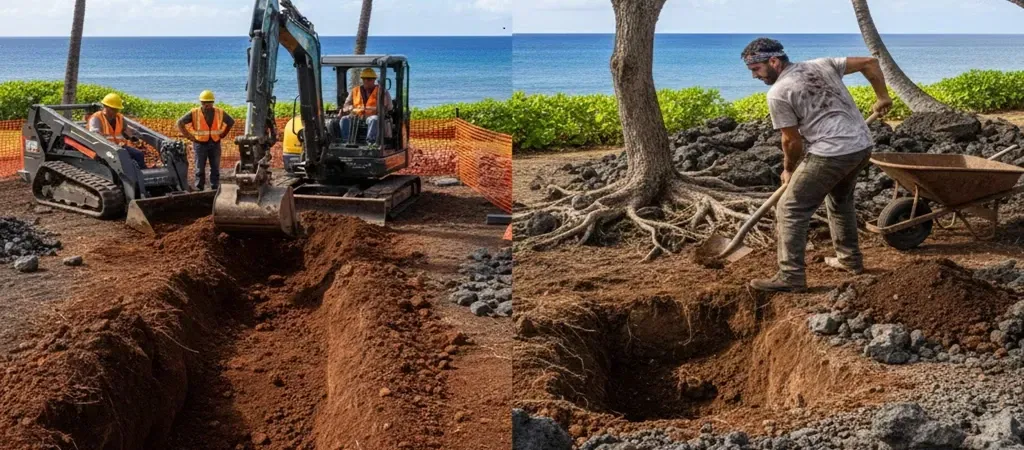
Understanding property lines, setback rules, and utility requirements before excavation is the foundation of a successful project. These rules exist for good reason. Oahu’s land is complex. The terrain shifts, homes are close together, and underground infrastructure is older in some neighborhoods than many people realize. Anyone who digs without checking regulations is relying on luck, not preparation, and luck rarely holds up against concrete, electrical lines, or compact island soil.
Property Line Verification
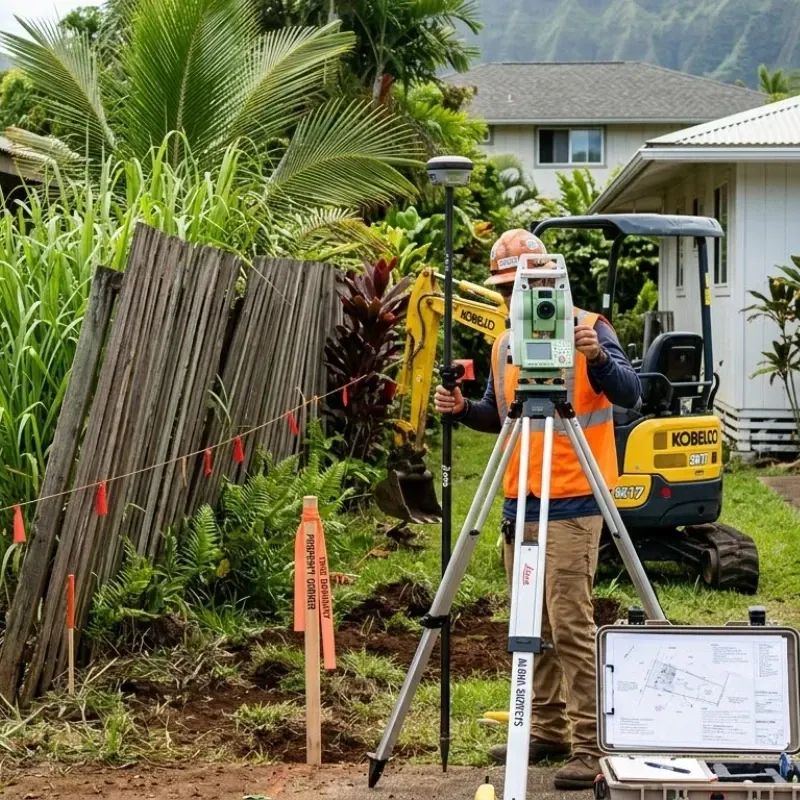
Many homeowners believe their fence marks their official boundary. In Oahu, that assumption is responsible for countless disputes. Fences drift over time, previous owners may have installed them incorrectly, and vegetation often hides where the real line sits. Excavation services in Oahu must account for these uncertainties, as excavating even a few inches across a boundary can result in a violation or a civil complaint from a neighbor.
A professional land survey is the only accurate way to confirm your legal property line.
Relying on visual markers or old drawings leaves too much room for error. Because excavation impacts soil stability and often involves structural footings, the county expects property owners to know their exact boundary before any digging begins. A mistake can compromise nearby structures, undermine retaining walls, or affect shared drainage paths.
Oahu’s neighborhoods, particularly older ones, have irregular boundaries that do not always match what appears on the surface. This is why verified measurements matter more than assumptions. Excavation requires precision, and the law expects it.
Setback Regulations Shape Where You Can Build
Even when you know your exact boundary, setback rules determine how close you can build to it. These rules protect neighboring homes, allow emergency access, and preserve drainage routes. They also prevent structures from crowding lot lines in ways that create long-term problems.
According to our excavation team, setback requirements vary by zoning district. Some areas require several feet of space between a structure and the boundary, while others allow more flexibility. What many homeowners overlook is that excavation often counts as part of the structure’s preparation. If you dig into a setback zone without approval, you risk being ordered to stop work, backfill the area, or redesign the project.
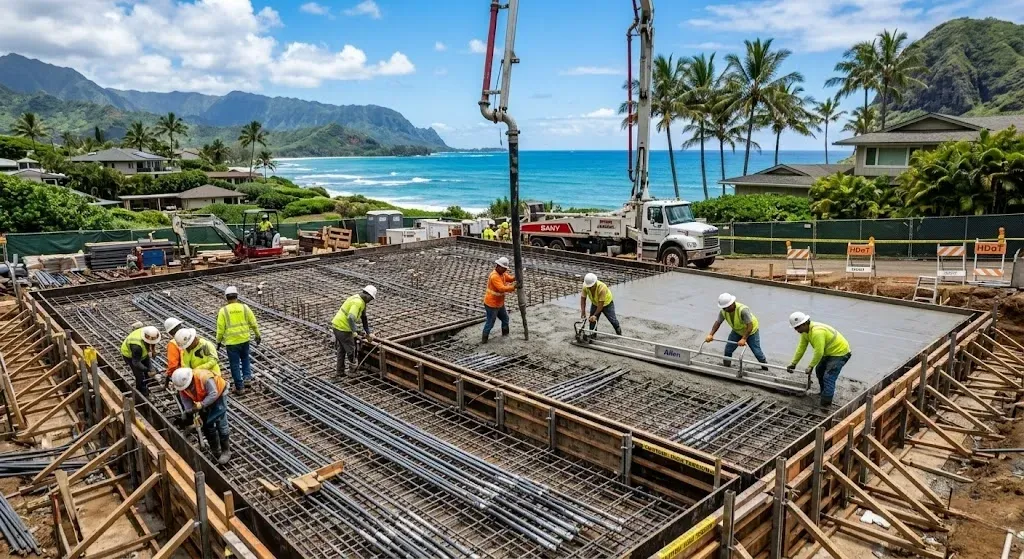
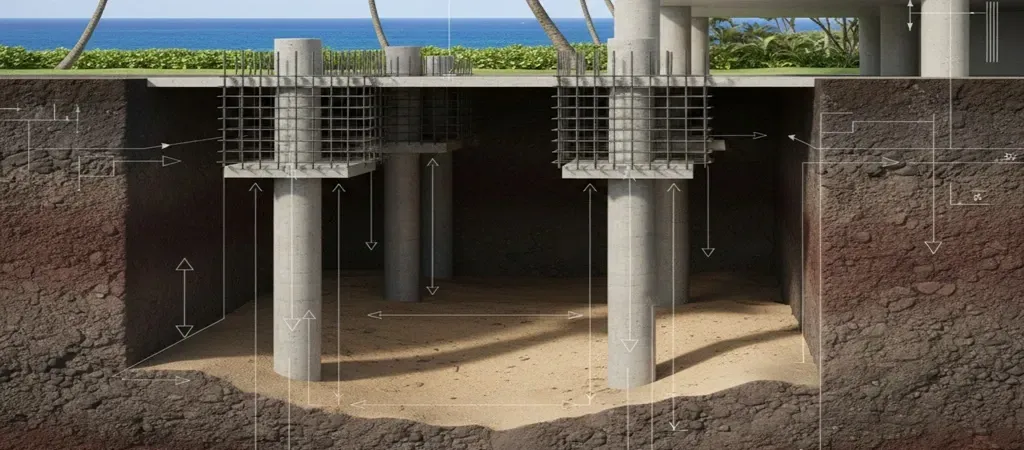
Retaining walls, footings, posts, and foundations are especially sensitive to setback rules. Because Oahu’s soil can shift, particularly in wetter regions, structural loads must be placed in approved areas. When these rules are ignored, erosion or soil movement can affect neighboring properties and create liability for the homeowner who caused it.
Compliance is always easier than correction. Setbacks are not general suggestions. They are enforced, and inspectors expect excavation to follow them closely.
Calling 811 Is Not Enough for Utility Safety in Oahu
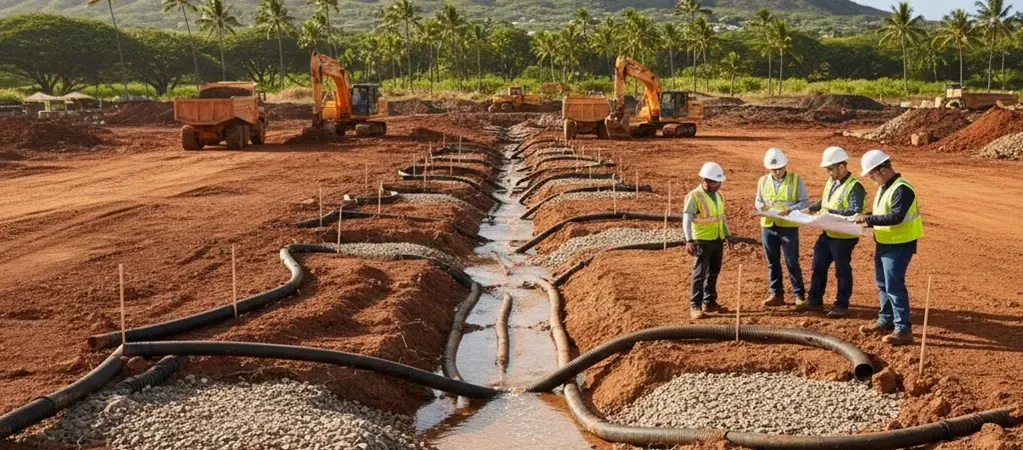
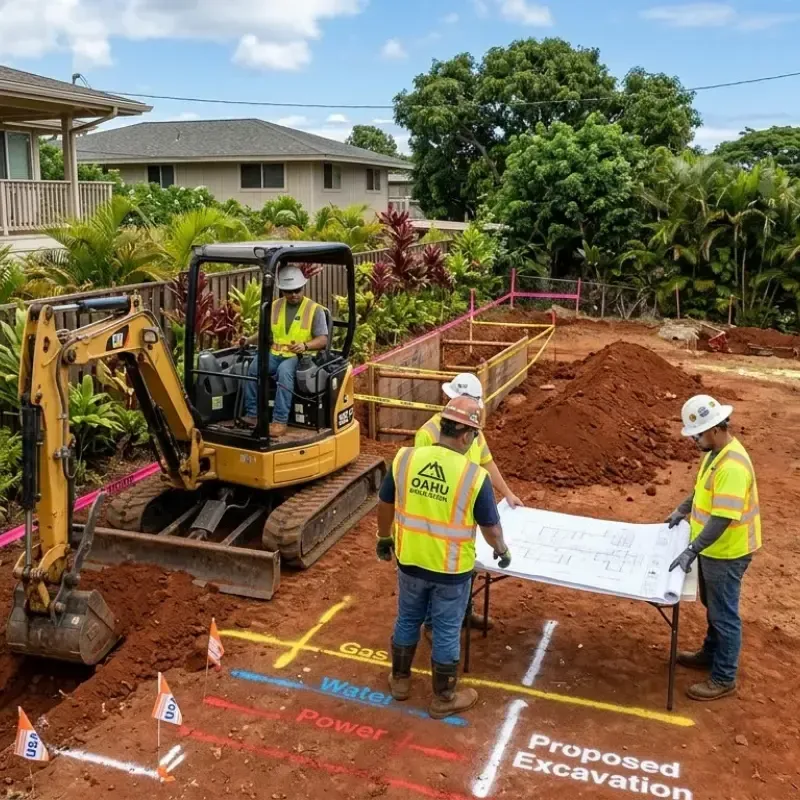
Most people know they should call 811 before digging. That is a good starting point, but Oahu requires more attention than one phone call. The island has layers of utilities that may not appear on old maps or private property records. Electrical lines, telecom cables, sewer laterals, irrigation systems, and water lines often cross through yards in unexpected ways.
Utility depth varies from property to property. Some lines sit only a few inches below the surface. Others run diagonally across lots or beneath older retaining walls. Hitting any of these lines creates both danger and costs, and homeowners are responsible for damage that occurs on their property.
Identifying utilities is not a simple task in many neighborhoods. Some lines were rerouted decades ago. Others were installed by previous owners without documentation. Relying only on one utility location is never a guarantee of complete safety. The most reliable approach is to combine official locates with professional assessment before excavating. This adds a layer of protection that matches the complexity of Oahu’s underground systems.
Soil Stability and Terrain Should Guide Your Excavation Plan
Oahu’s terrain changes from one block to the next. Some areas have dense claylike soil, others have volcanic rock, and many inland regions contain mixtures that shift with rainfall. A proper excavation plan accounts for these conditions, because soil that looks firm may become unstable when disturbed.
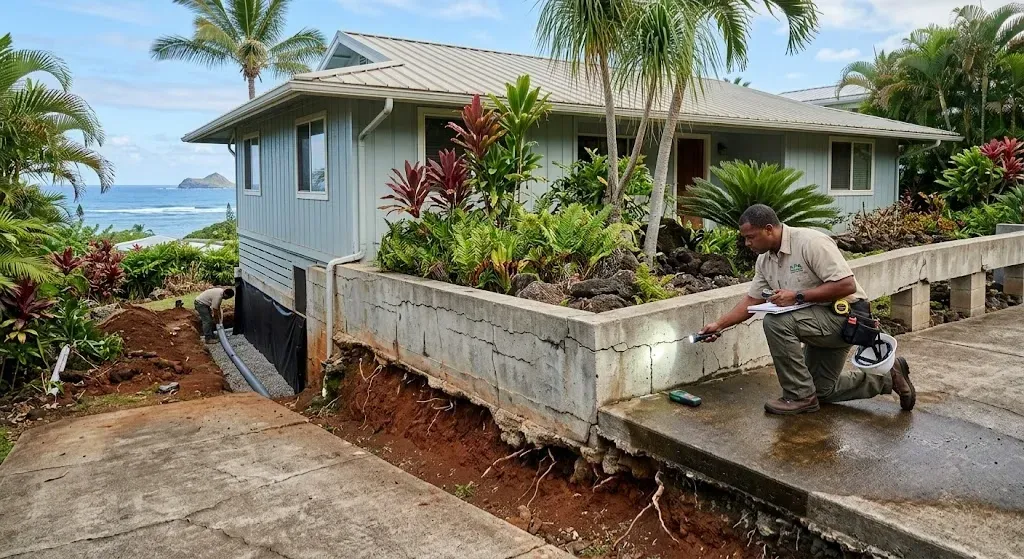
Excavation near slopes, older retaining walls, or shared drainage paths can create movement that spreads beyond the dig site.
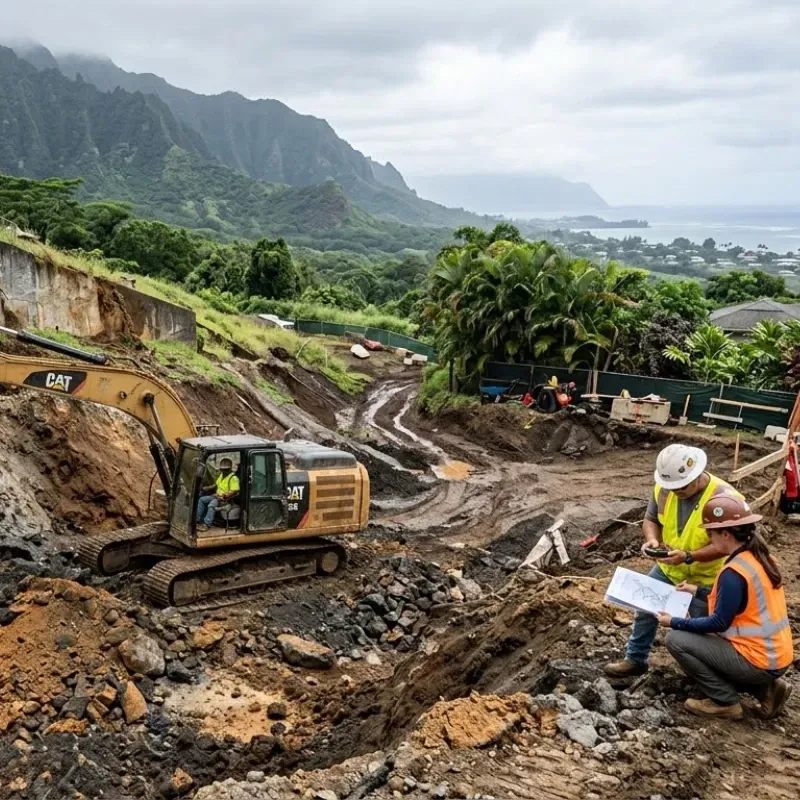
When soil expands or contracts, small mistakes turn into larger structural issues. Excavation crews with experience in Hawaiian terrain understand how footing depth, alignment, and reinforcement affect long-term stability.
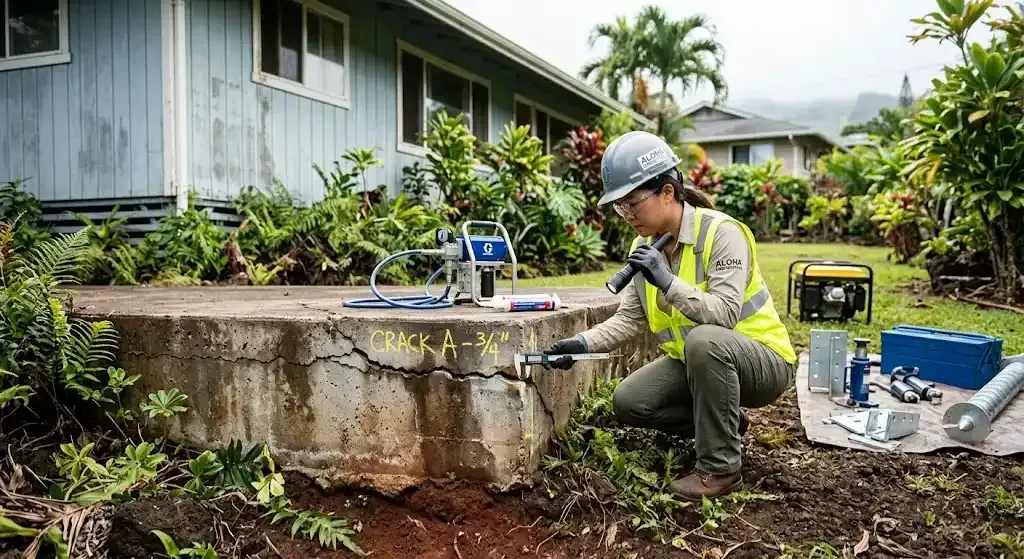
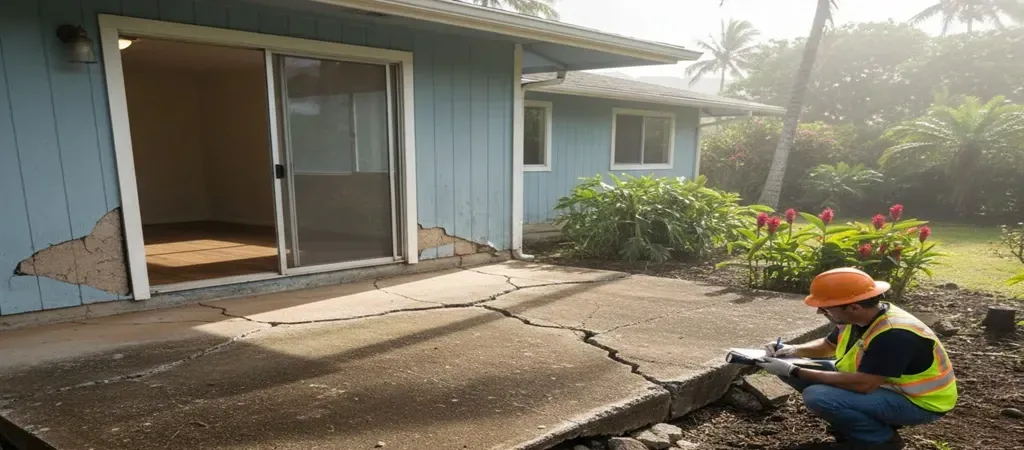
Ignoring soil conditions usually leads to settlement problems, leaning posts, or cracks in nearby structures. The terrain on Oahu demands more than a basic dig. It requires careful planning to avoid creating avoidable damage.
For projects near the shoreline, understanding how salt exposure and coastal conditions affect excavation is critical. Learn more in Challenges of Excavating Near the Coastline in Oahu’s Salt-Exposed Environment.
Why Clearance Planning Must Be Done Before Any Excavation
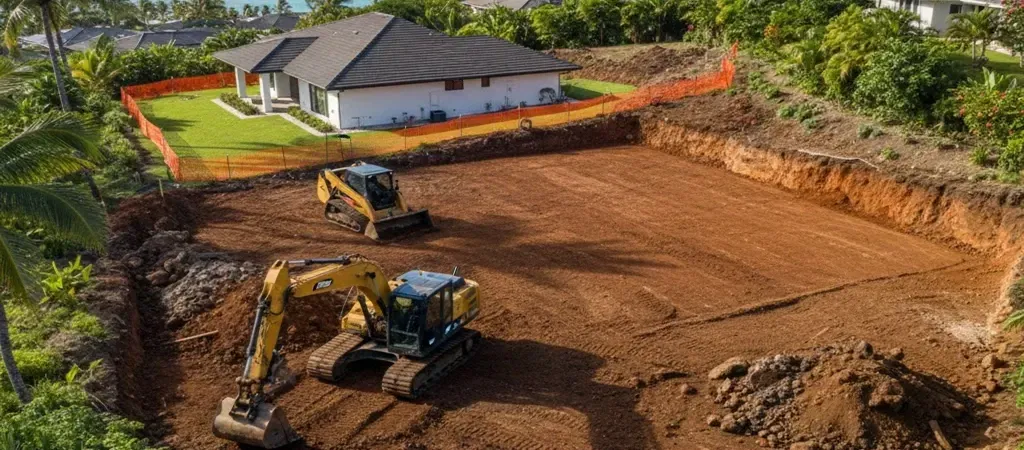
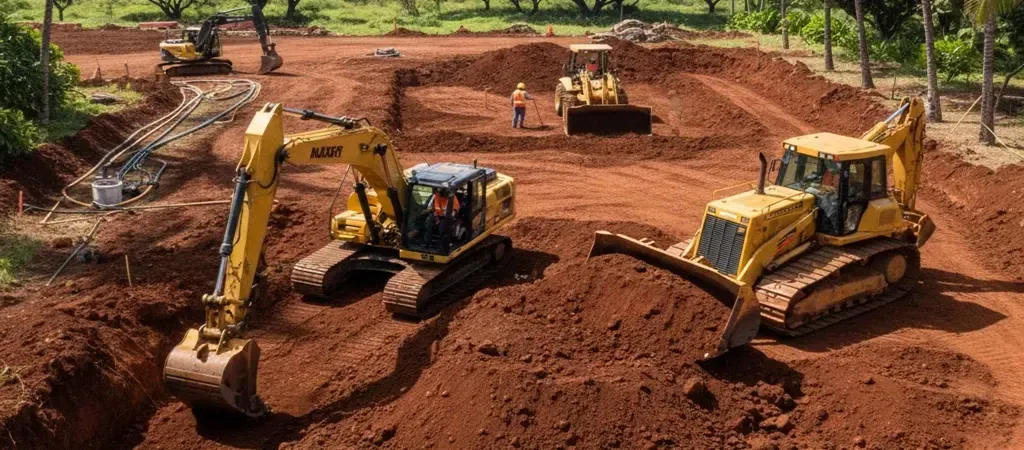
Homeowners often underestimate the space required for equipment, disposal, and structural preparation. Excavation is not just about the hole in the ground. It is about the room needed around it for safe movement and proper installation.
Clearance planning prevents damage to driveways, rock walls, neighboring fences, and vegetation. It also ensures that the excavation area can be accessed without putting pressure on soft ground or undermining existing structures.
Oahu’s tight lots and sloped yards make clearance planning even more important. A narrow driveway or a limited side yard can affect the entire project. When the layout is not evaluated beforehand, soil may need to be moved through inefficient or unsafe paths that increase costs and time.
When accuracy and compliance are critical, working with the right team is essential. Learn how to choose reliable excavation services in Hawaii to ensure your project is done safely and correctly.
Permits Protect You
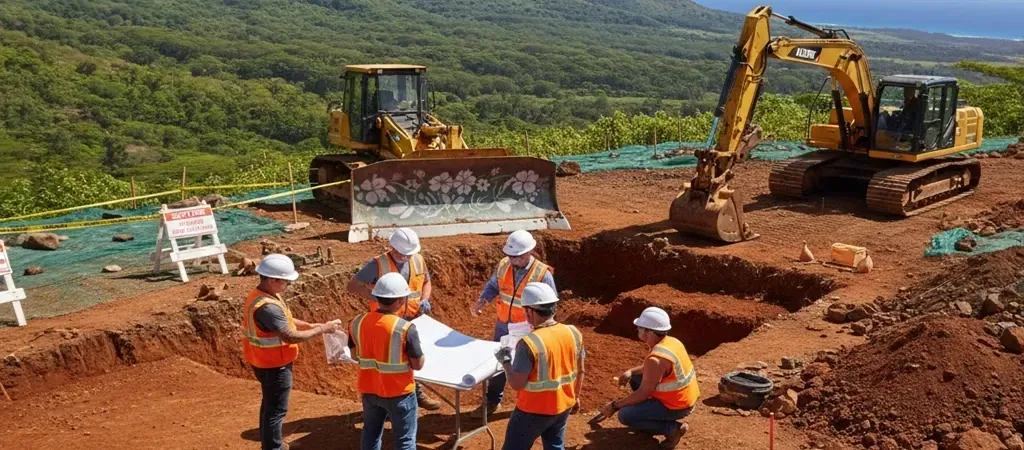
Some homeowners view permits as obstacles. In reality permits exist to protect both the homeowner and the surrounding properties. The county reviews excavation plans to ensure they meet safety standards, and the review process often prevents costly mistakes before they occur.
Excavation without a permit can result in fines, work stoppages, or required corrections. More importantly it can jeopardize insurance coverage if damage occurs. Permits confirm that a project meets structural and zoning requirements, which is critical on an island where land, utilities, and homes sit close together.
Final Thoughts
Excavation in Oahu requires more than enthusiasm and a shovel. Property lines must be verified, setback rules must be followed, and underground utilities must be located with absolute care. Soil conditions, terrain, and clearance requirements all shape what is possible on a property. When these factors are ignored, homeowners face structural issues, legal problems, and expensive repairs.
For excavation projects that are safe, precise, and built to last, consult experienced professionals who understand Oahu’s terrain, soil, and regulations.