Load Distribution Analysis for Multi-Story Residential Foundations in Oʻahu
Technical Insight: Load distribution is critical for multi-story homes in Oʻahu, where varied soil conditions and moisture levels can cause uneven settlement. Proper alignment of load paths, foundation selection, and drainage planning ensures structural stability, while neglecting these factors leads to cracks, shifting, and costly long-term repairs.
Multi-story homes are becoming more common across Oʻahu as land availability tightens and homeowners build upward instead of outward. The biggest structural risk in these homes is rarely the framing or the roof. It is how weight moves through the structure and into the ground below.
Why Load Distribution Matters More on Oʻahu
Every structure transfers its weight downward through columns, walls, and footings into the soil. On the mainland, relatively uniform soil conditions often allow for predictable foundation design. Oʻahu is different.
The island contains a complex mix of volcanic rock, coral fill, clay soils, and highly weathered material. In some areas, bedrock sits close to the surface. In others, fill layers vary dramatically within the same lot.
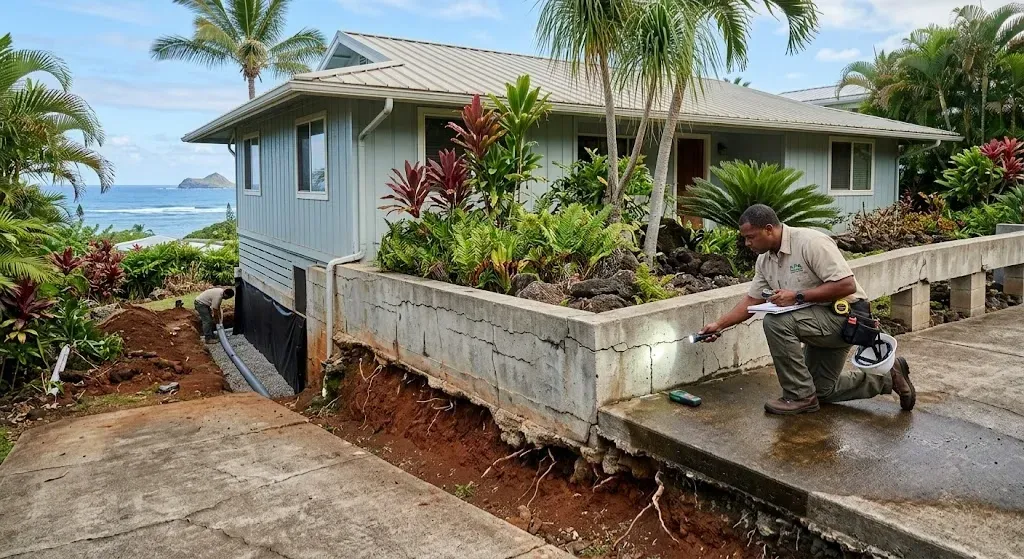
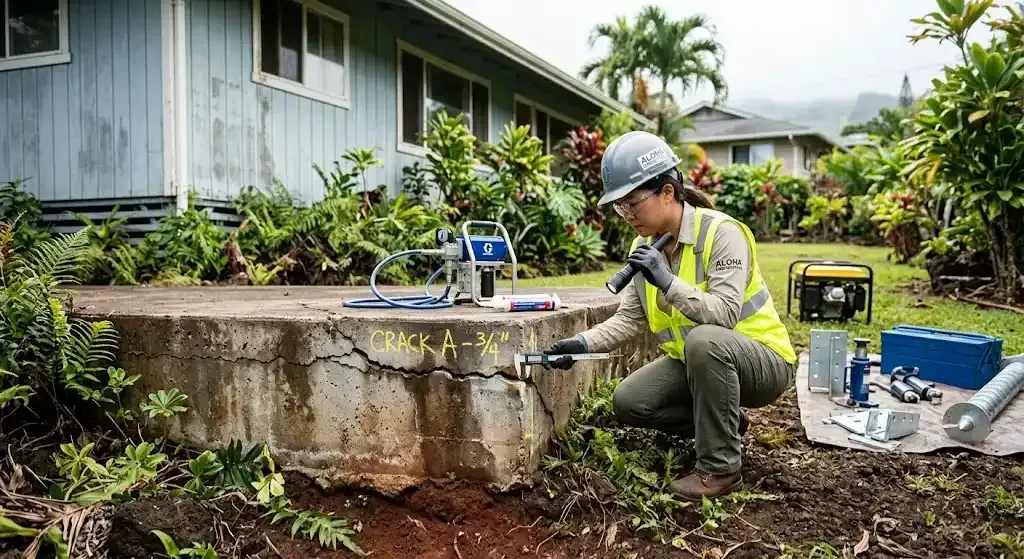
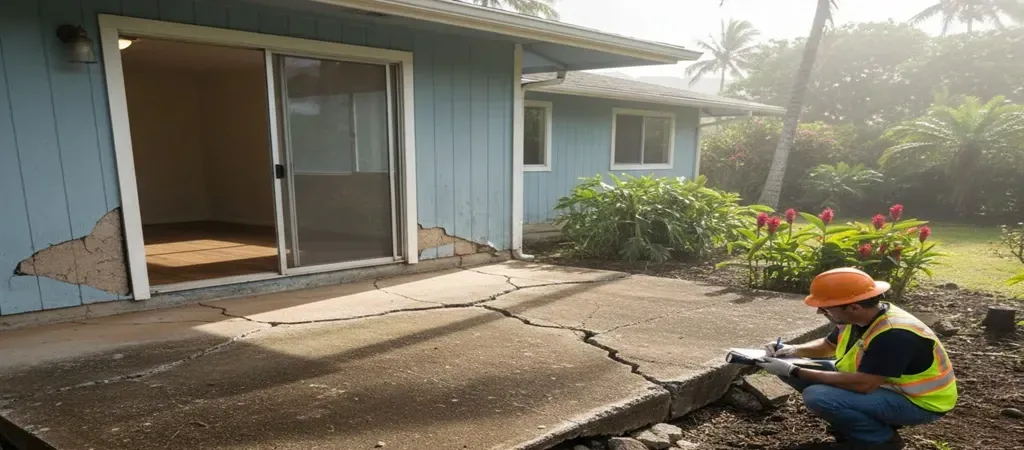
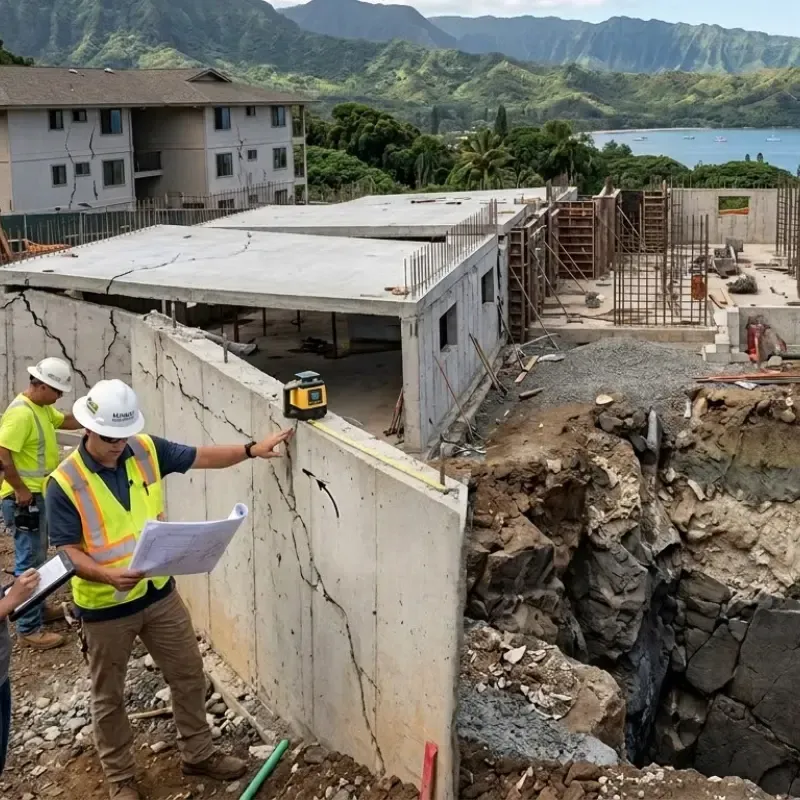
According to professional foundation services in Oahu working across the island, uneven soil conditions are the most common reason multi-story foundations experience stress. When loads are not distributed evenly, one section of the foundation settles faster than another. The result is cracking, sloping floors, and long-term repair costs that far exceed the price of proper analysis upfront.
How Load Travels Through a Multi-Story Home
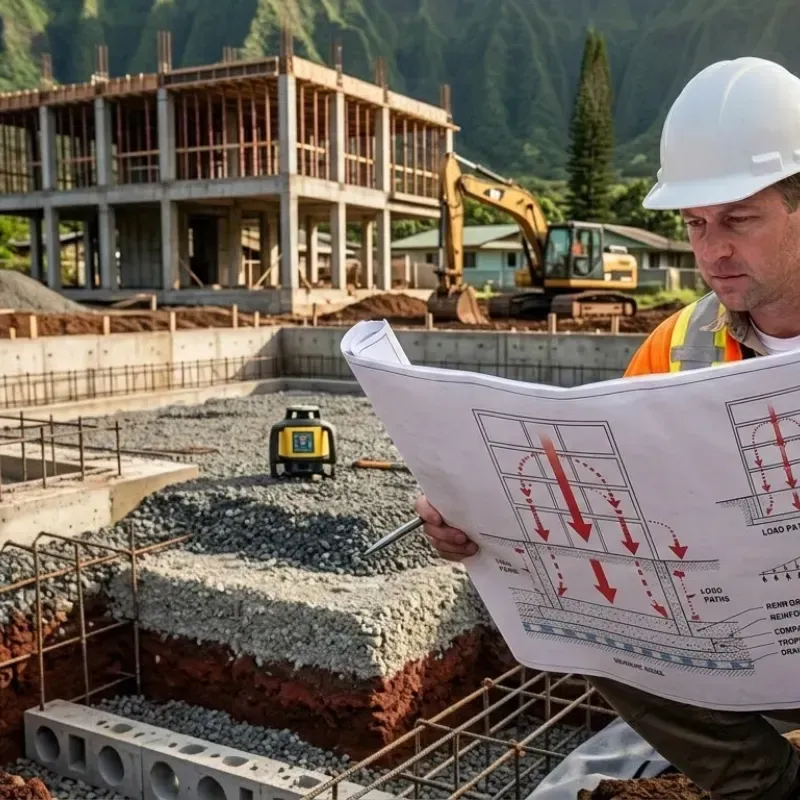
Load distribution starts at the roof and moves downward floor by floor. Each level adds dead load from materials and live load from occupants, furniture, and movement. These forces concentrate at load-bearing walls, columns, and shear elements.
If any part of this system is misaligned, the load does not disappear. It shifts.
In our work, we have seen cases where second-story walls were stacked improperly over first-floor openings. The load traveled diagonally instead of vertically, overstressing footings that were never designed to carry that weight. This can cause cracks in walls and uneven floors over time.
Proper load paths must be continuous and intentional from top to bottom.
Common Foundation Systems Used on Oʻahu
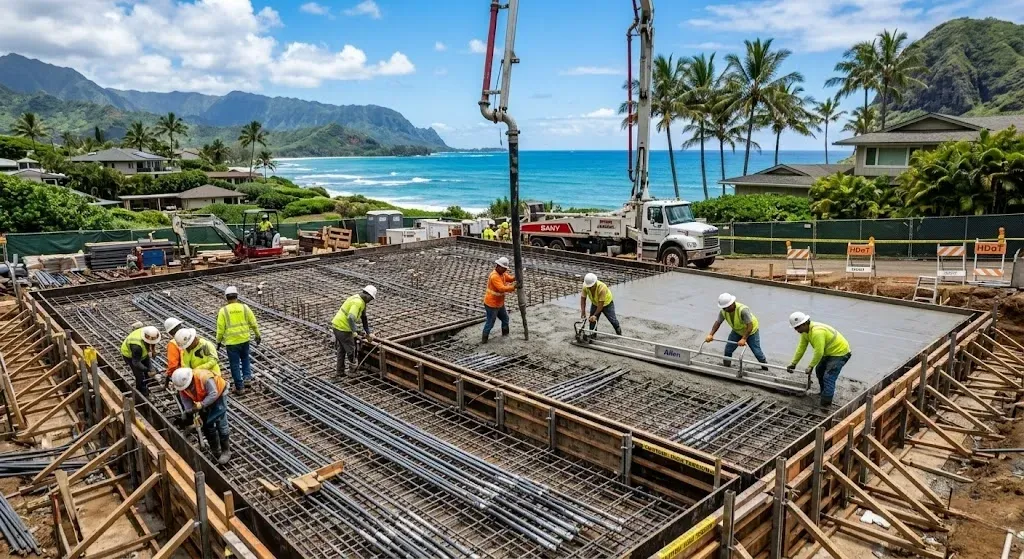
For modern residential construction projects, experts report that in Hawaii, most multi-story residential homes on Oʻahu rely on one of three foundation approaches:
- Reinforced concrete slab-on-grade
- Spread footings with stem walls
- Pier or caisson systems for sloped or unstable sites
Each system distributes load differently. Slab-on-grade foundations rely on uniform soil support. Spread footings concentrate loads at specific points. Piers transfer loads deeper into more stable soil or rock.
The wrong system for the site conditions almost always leads to uneven settlement.
Tradeoffs Homeowners Often Miss
One of the biggest mistakes our foundation work experts noticed is assuming stronger concrete alone solves load issues. Increasing concrete strength does not compensate for poor soil support or improper footing placement.
Another common tradeoff involves cost versus excavation depth. Shallow footings may reduce upfront costs, but on variable soils, they increase long-term risk.
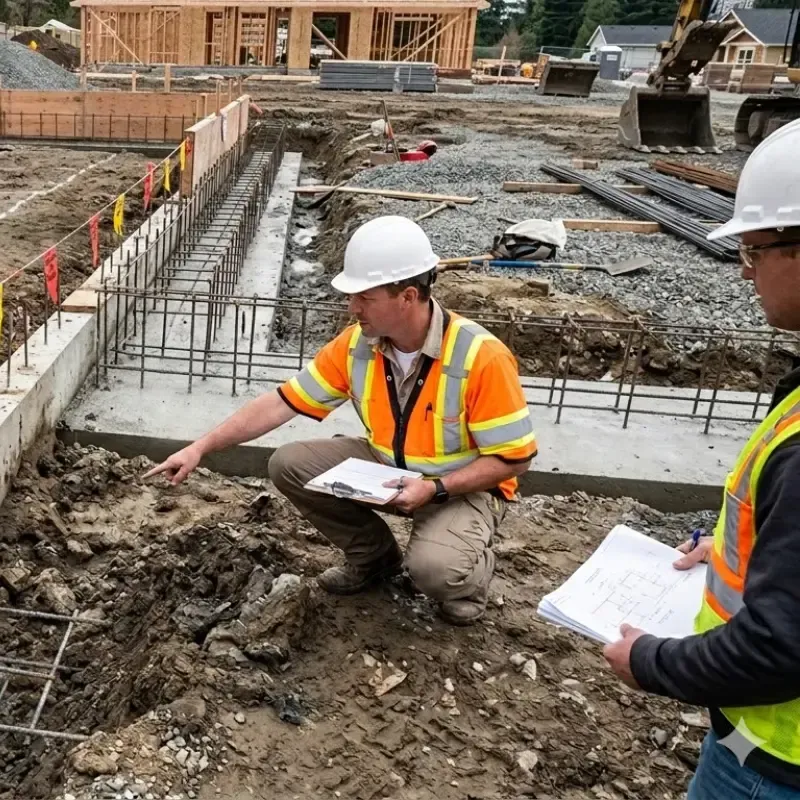
We have also seen homeowners prioritize interior layout over structural alignment. Large open spaces are appealing, but removing load-bearing walls without redistributing weight properly forces foundations to carry stress they were never designed for.
Soil Conditions That Change the Equation
Oʻahu’s soil behavior varies by region.
In areas with volcanic rock, load transfer is often efficient, but excavation is challenging. In coastal zones with coral fill or sandy soils, settlement risk increases dramatically. Windward areas experience higher moisture content, which affects soil bearing capacity over time.
According to North Dakota State University Extension, variation in soil moisture around a building foundation can lead to soil shrinkage or expansion that alters soil support and causes structural movement, cracking, and other foundation performance issues.
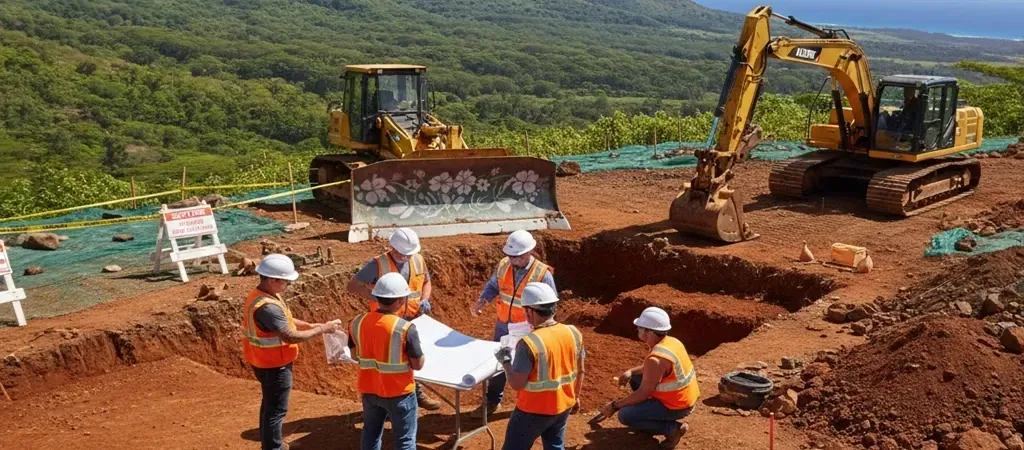
This is why load distribution analysis must be site-specific. Generalized plans rarely perform well across the island.
Drainage and Water Load Interaction
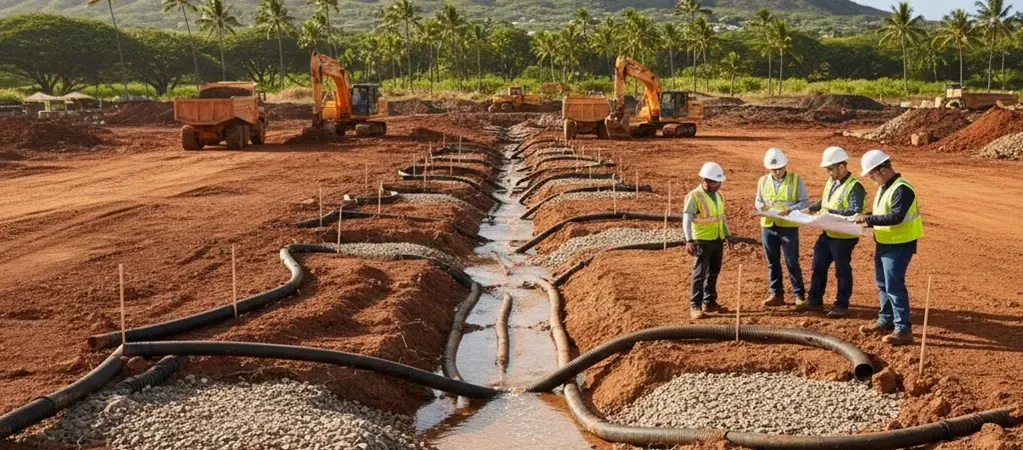
Water changes everything. Poor drainage increases soil pressure and reduces bearing capacity. In multi-story homes, this compounds quickly.
We have seen foundations that were structurally sound on paper fail because runoff was not managed properly. Downspouts discharged near footings. Surface water pooled against stem walls. Over time, soil softened and loads shifted.
According to guidance referenced by the Federal Emergency Management Agency, proper foundation design in flood-prone regions should include provisions that let floodwaters enter and exit and prevent undermining due to soil saturation and scour, showing that drainage and moisture control around foundations are important factors in prolonging their performance and longevity.
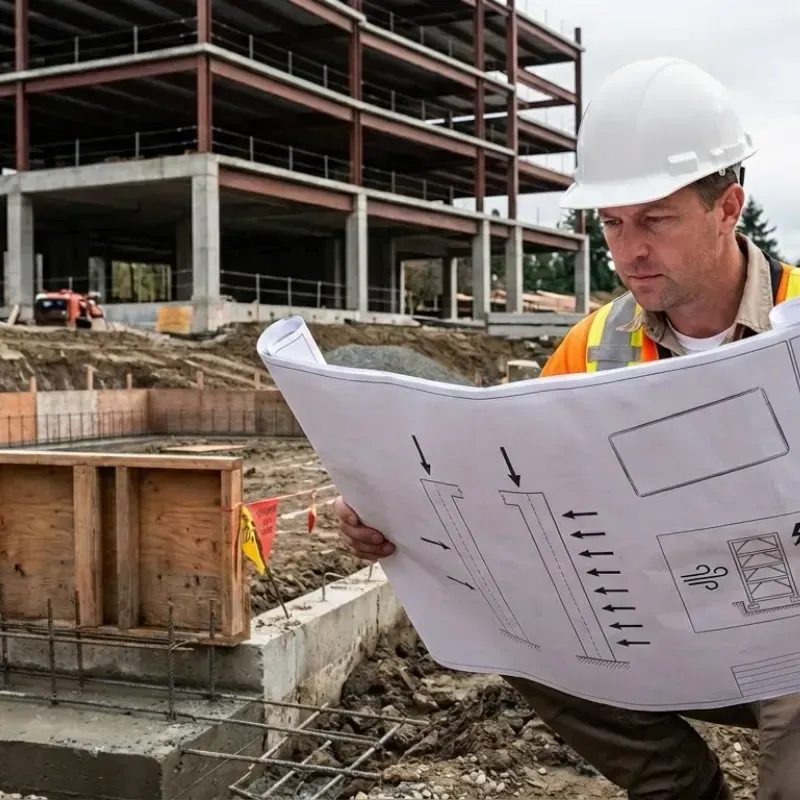
Engineering Is Not a Formality
A stamped structural design is not just a permit requirement. It is a safeguard against assumptions.
Load calculations account for vertical forces, lateral forces from wind and seismic activity, and soil interaction. Oʻahu’s seismic considerations, while moderate, still influence foundation design.
According to civil engineering instructional materials from Carleton College, foundation performance depends on how structural loads are transferred into the soil and how the soil’s properties affect settlement, and improper load distribution or inadequate consideration of load transfer can contribute to foundation distress and performance problems.
Common Load Distribution Mistakes
- Misaligned load-bearing walls between floors
- Under-sized footings for multi-story loads
- Ignoring soil variability across a single lot
- Poor coordination between architectural and structural plans
- Overreliance on slab thickness instead of proper reinforcement
What a Smarter Approach Looks Like
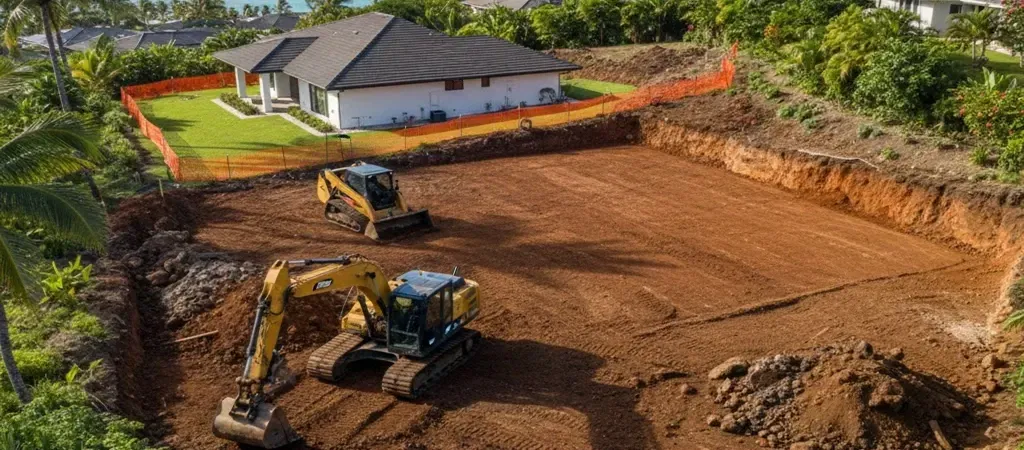
A smarter approach starts with soil evaluation and site grading before foundation design. Load paths are mapped clearly from roof to footing. Drainage is integrated into the structural plan, not added later.
Based on experience, projects that prioritize load distribution early move faster, cost less in the long run, and experience fewer structural issues.
Expertise and experience are essential for a smarter approach. Learn how Oahu’s local experts can help you maximize the quality and efficiency of your concrete construction.
Final Takeaway
Multi-story residential foundations on Oʻahu succeed or fail based on how well loads are distributed into the ground. Soil conditions, drainage, alignment, and reinforcement all work together. Ignoring any one of them increases risk.
The next step for homeowners and builders is straightforward. Treat load distribution as a design priority, not a technical afterthought. Ask where the weight goes, how the soil responds, and how water changes the equation.