A Homeowner’s Guide to Masonry Maintenance in Hawaii’s Climate
Quick Summary: Masonry in Hawaii requires consistent maintenance due to salt air, humidity, shifting soil, and intense sun, all of which accelerate wear and structural damage. Regular inspections, proper drainage, surface cleaning, and sealing are essential practices that help homeowners prevent costly repairs and extend the lifespan of concrete, rock walls, and block structures.
A surprising number of homeowners think masonry requires no upkeep at all, as if concrete wakes up every morning and fixes itself. But in Hawaii, the climate decides how long something lasts, and masonry survives only when you stay ahead of the elements. This guide explains what homeowners should focus on, why Hawaii’s climate is uniquely demanding, and the specific maintenance habits that will keep your structures solid for years.
Why Hawaii’s Climate Demands More Attention
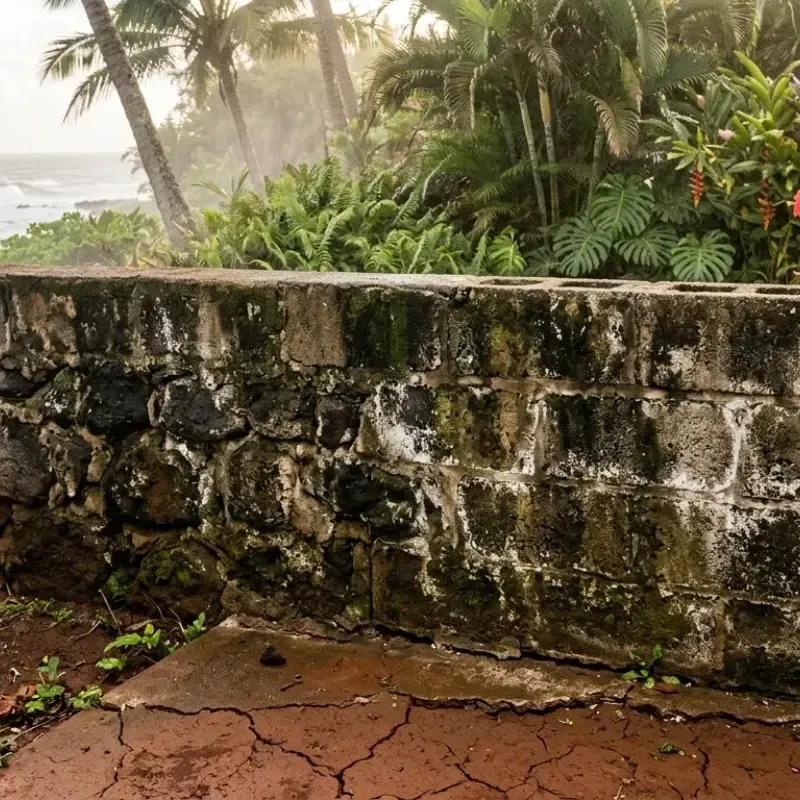
Masonry services in Hawaii deal with conditions that mainland structures rarely face. Salt air travels miles inland, even to neighborhoods that feel far from the coastline. That salt slowly penetrates porous materials like concrete and natural stone. Once inside, it holds moisture and gradually breaks down the internal structure of the material.
The state’s humidity intensifies the issue. Moisture arrives daily through the air alone, and masonry never fully dries.
Over time, surfaces begin to grow algae and mildew. In many cases, efflorescence appears as white chalky residue, signaling that minerals inside the concrete are being pushed outward. This is often a warning sign that the material is weakening internally.
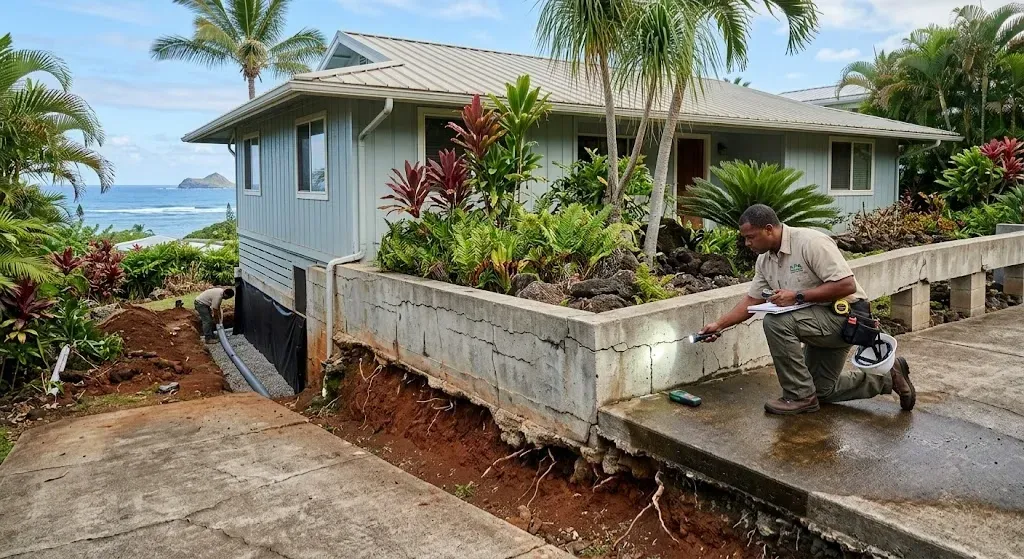
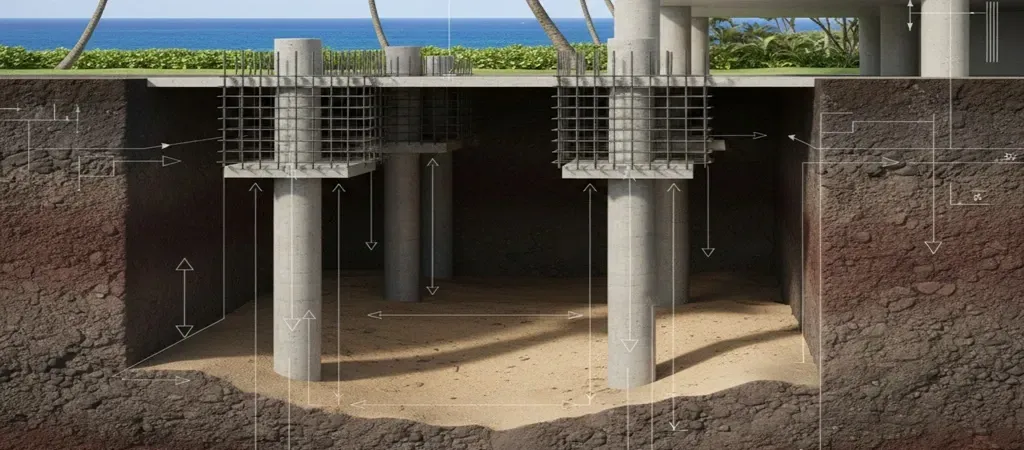
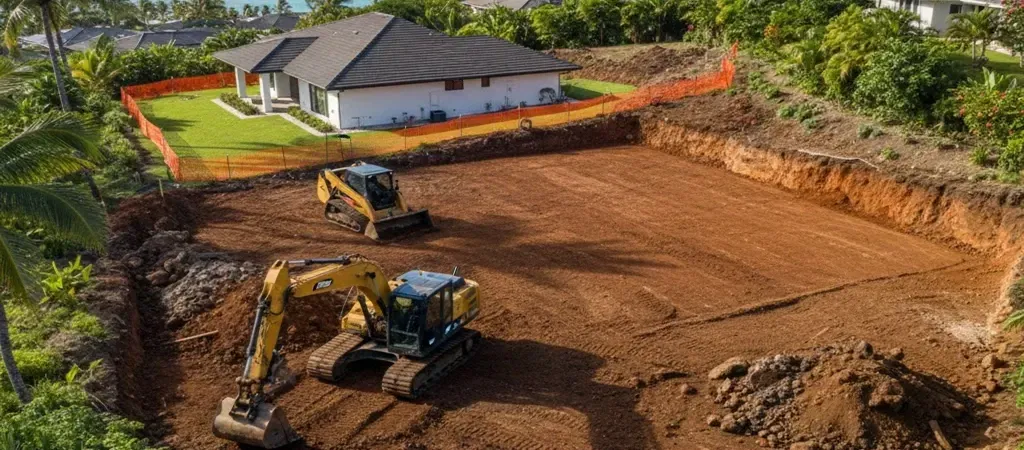
Hawaii’s soil conditions add another layer of stress. Certain areas contain expansive soils or clay pockets that shift dramatically during wet and dry cycles. Even well-built walls begin to tilt or crack when the ground beneath them moves. When you combine salt exposure, constant moisture, shifting ground, and intense sunlight, it becomes clear that maintenance is not simply recommended but is essential in Hawaii.
Common Masonry Areas That Require Regular Checkups
Not all structures wear down at the same pace. Some features need more frequent attention because of how they interact with Hawaii's climate.
Rock Walls and Retaining Walls
According to our rock wall builders, rock walls are part of the islands’ architectural identity, yet they are highly vulnerable to pressure changes in the soil. Rainwater often gathers behind these walls, especially in yards with heavy irrigation. If the wall lacks proper drainage, the added weight from trapped water slowly pushes stones outward. Homeowners may notice small gaps, a bowing shape, or sections that no longer sit evenly. These issues rarely resolve on their own. Early repair prevents the entire structure from failing.
Concrete Slabs, Lanais, and Driveways
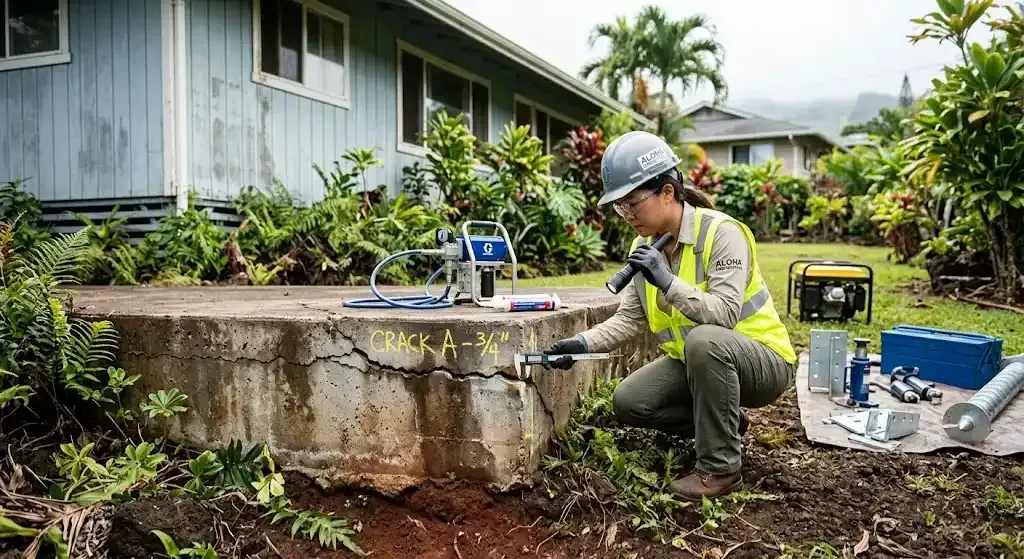
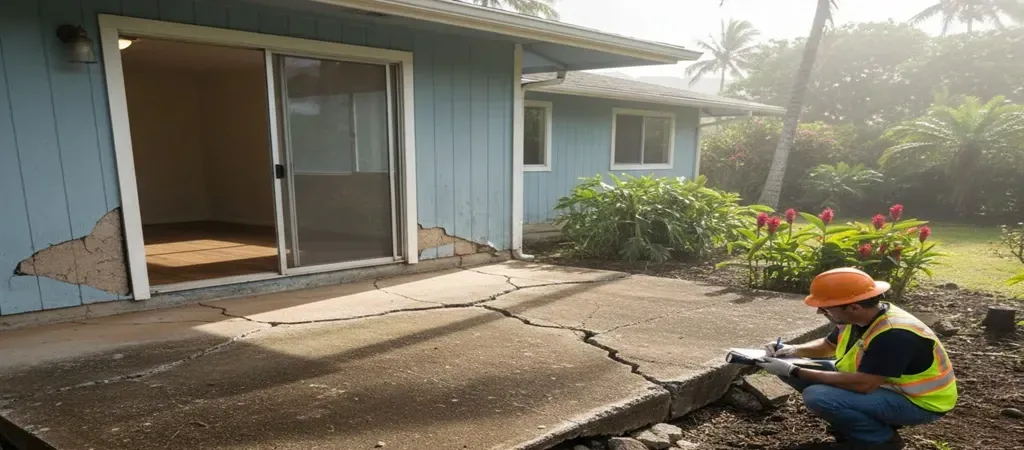
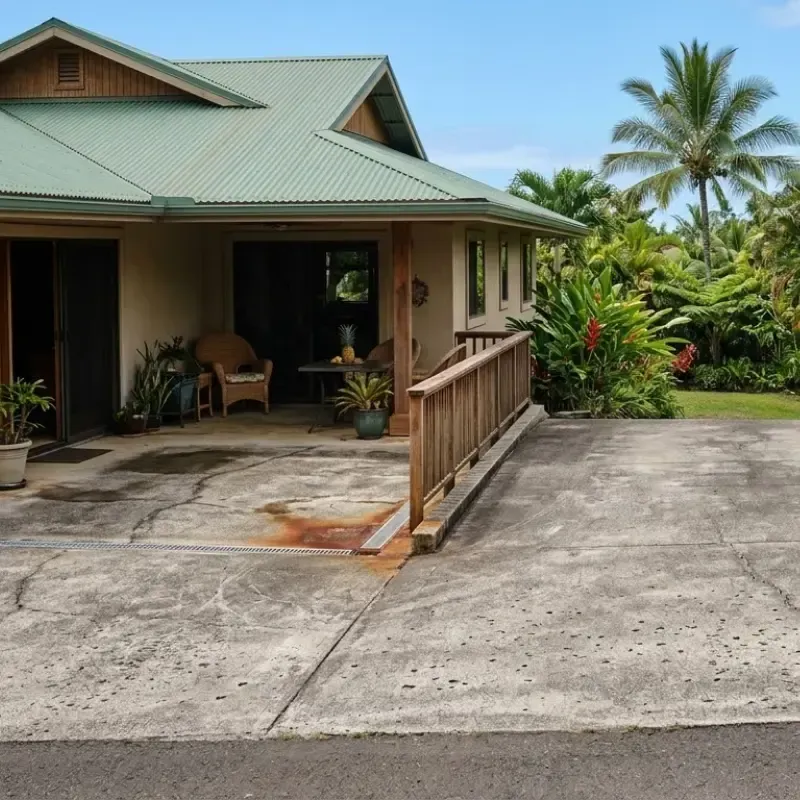
Concrete surfaces absorb moisture more quickly than most homeowners realize. In Hawaii, small hairline cracks often form within a few years. If ignored, these cracks widen because water enters them and expands during heating. Flaking surfaces, sinking sections, or rust stains are warning signs that the concrete is weakening or that steel reinforcement might be compromised. Routine inspection helps homeowners catch problems while they are still manageable.
Block Walls and Fence Foundations
Block walls and vinyl fences set in concrete rely heavily on stable footing. With Hawaii’s shifting soil conditions, even a slight ground movement can tilt a wall or create separation between blocks. Cracks near the base or a noticeable lean can indicate foundation issues. Once a wall begins to move, the progression is typically faster than most expect, making early correction necessary.
Harsh island conditions can take a toll on concrete faster than many homeowners expect. See why concrete repairs are so common in Oahu and what factors contribute to early deterioration.
Maintenance Habits That Extend the Life of Masonry
Proper care is more about consistency than intensity. Small, regular actions make the biggest difference in how well masonry withstands Hawaii’s climate.
Cleaning Surfaces to Reduce Moisture Retention
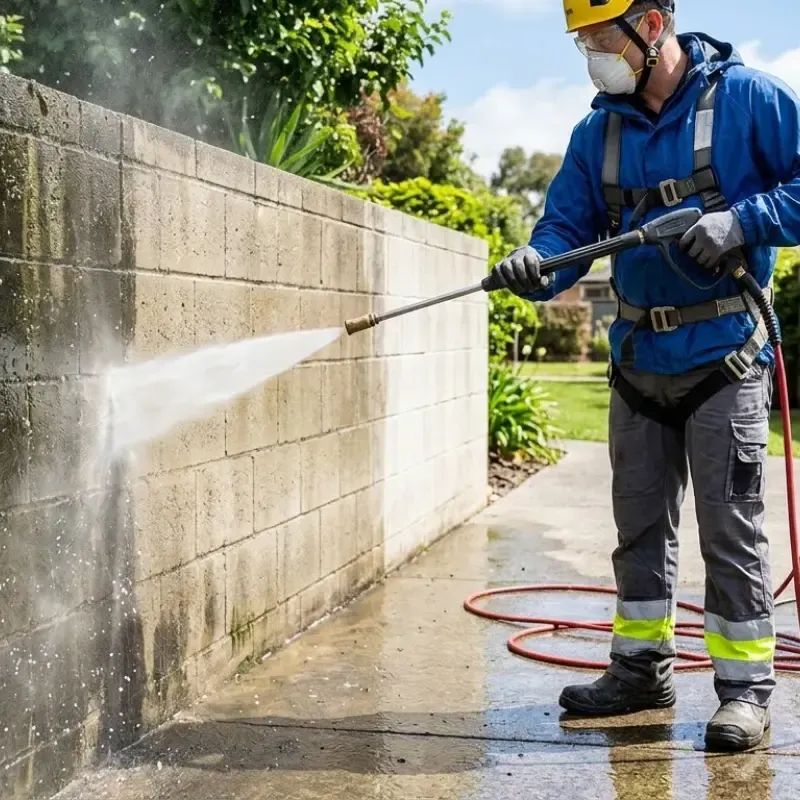
Annual power washing removes algae, mildew, and dirt that trap moisture on masonry surfaces. This simple habit prevents biological growth from breaking down concrete binders. It also reveals cracks or structural changes that might be hidden beneath surface buildup.
Applying Protective Sealers
In Hawaii’s environment, sealing is one of the most valuable maintenance steps for flat concrete surfaces. A quality sealer forms a water-resistant coating that reduces absorption and slows down the effects of humidity and salt. Reapplying every two to three years provides consistent protection and noticeably extends the lifespan of driveways, lanais, and walkways.
Managing Water Flow Around Masonry Structures
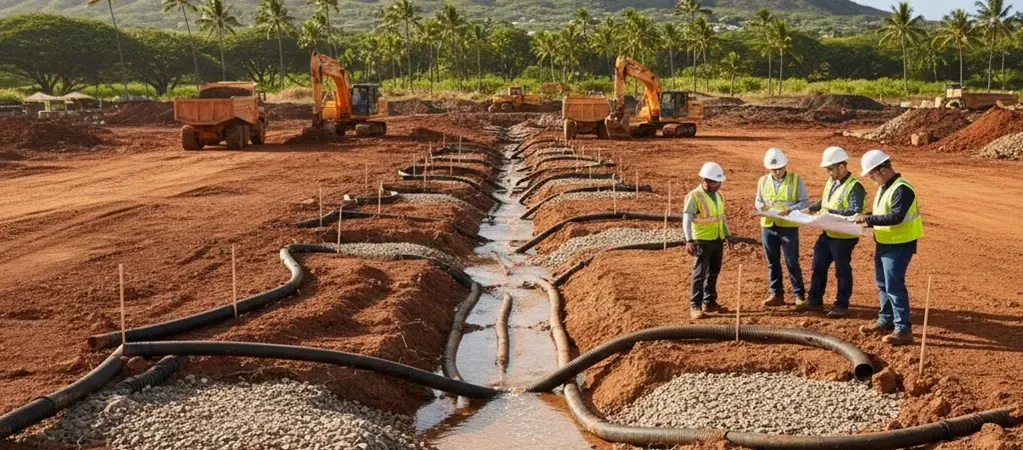
Drainage is often overlooked, yet it is critical. Redirecting downspouts away from walls, ensuring soil slopes slightly away from structures, and avoiding excessive irrigation near rock walls help prevent water pressure and erosion. Homeowners who monitor drainage typically see fewer cracks and shifts over time.
Documenting Structural Changes Over Time
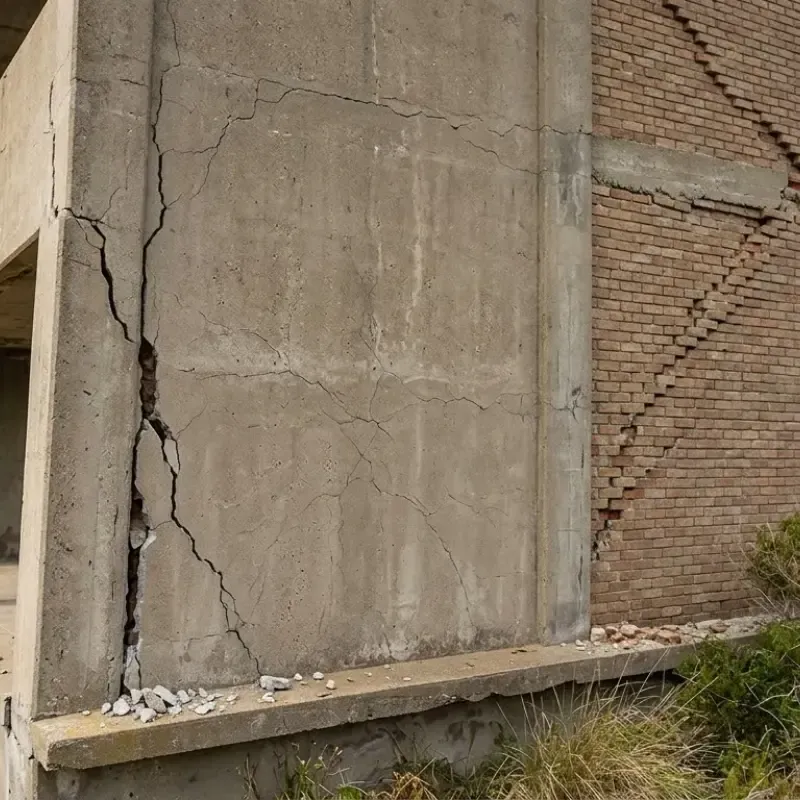
Cracks are not always a sign of failure, but their progression matters. Photographing cracks or minor shifts every few months creates a visual timeline. If a crack grows, or if a section begins to tilt more noticeably, it signals the need for professional evaluation before the damage becomes extensive.
Strengthening Areas Exposed to Higher Stress
Homes on the windward side, near the shoreline, or on hillside lots face stronger environmental forces. Reinforcement measures such as structural mesh, deeper footings, or premium sealers can slow down weathering dramatically. Even small upgrades can have a large impact in these high-stress areas.
Longevity in Hawaii’s climate depends on understanding how concrete responds to moisture, heat, and daily wear. Explore a professional guide to long-lasting results from Oahu concrete experts to keep your investment performing at its best.
Wrap Up
Masonry can last for generations in Hawaii, but only when homeowners stay proactive. The climate is unforgiving to structures that are neglected. Regular inspections, thoughtful drainage management, and timely repairs are the most reliable way to preserve walls, pathways, and foundations. When homeowners respect the impact of moisture, salt, and shifting soils, their masonry stands stronger and serves their property for years to come.
When Homeowners Should Call a Professional
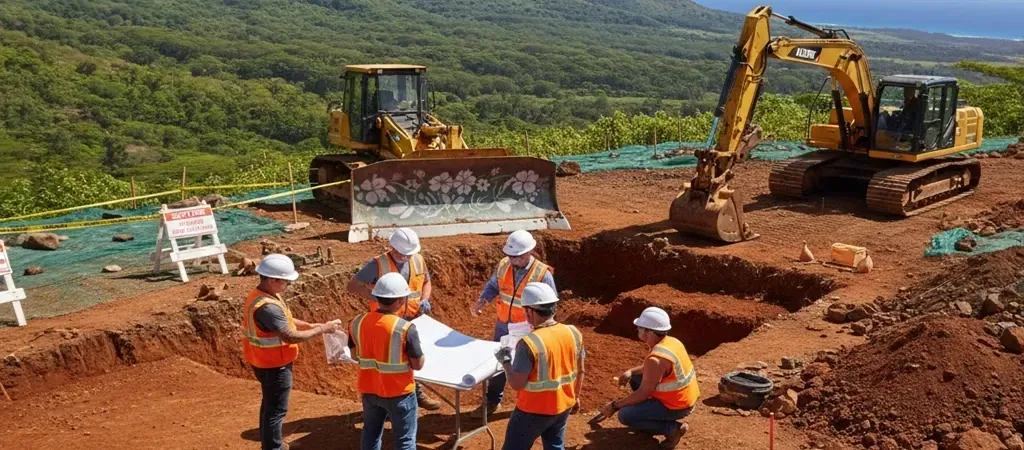
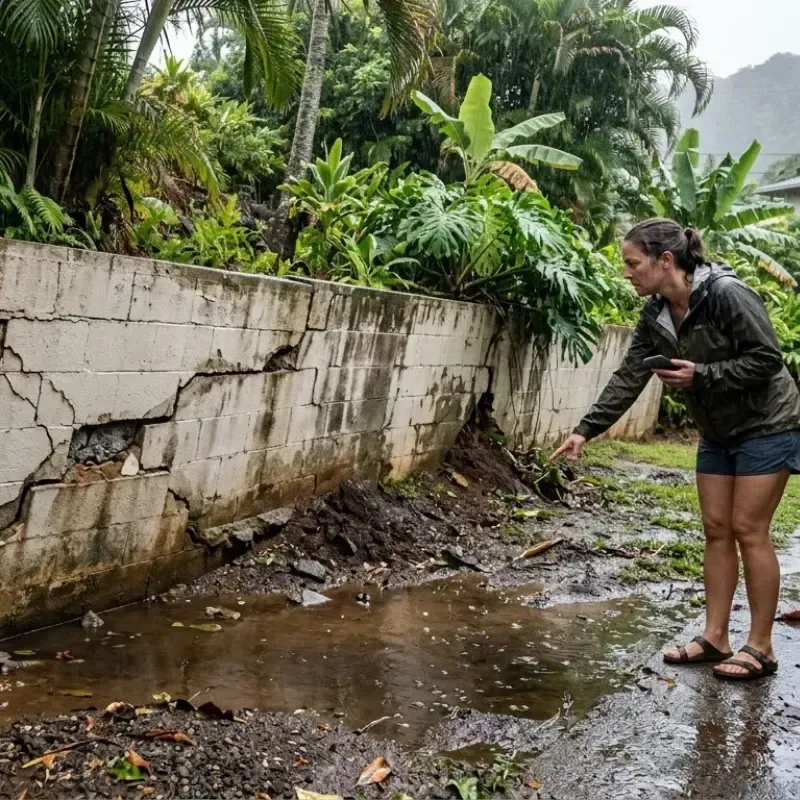
Certain signs indicate that the situation has moved beyond routine maintenance. A retaining wall that leans, cracks that appear suddenly after a storm, persistent water pooling near a wall, or any section of flaking concrete deserves immediate professional attention. These conditions often point to underlying structural issues that require trained expertise. In Hawaii, delaying a repair usually means the problem worsens faster than expected.