What Sets Professional Excavation Services Apart from DIY Digging in Hawaii
Expert Comparison: Professional excavation services in Hawaii ensure safety, precision, and long-term stability by addressing complex soil conditions, drainage, and regulations. DIY digging often leads to costly mistakes, structural issues, and environmental risks, making professional expertise essential for projects that require accuracy and durability.
DIY digging often leads to delays, safety risks, and costly mistakes that could have been avoided. Professional excavation services exist for a reason, and in Hawaii, that reason becomes clear very quickly. The difference between professional excavation and DIY digging is not about convenience. It comes down to safety, accuracy, environmental responsibility, and long-term performance of whatever is built on that ground.
Hawaii’s Ground Is Not Beginner Friendly
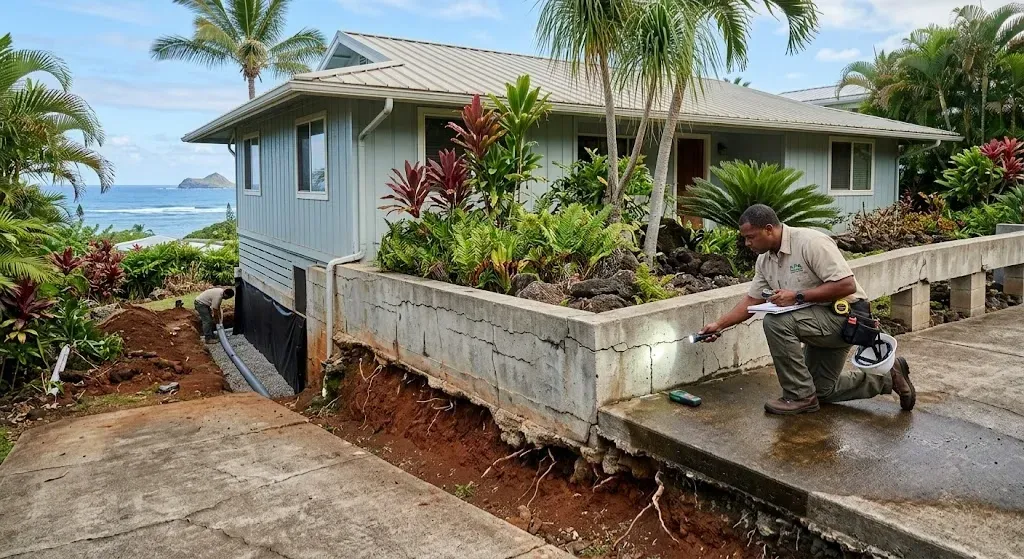
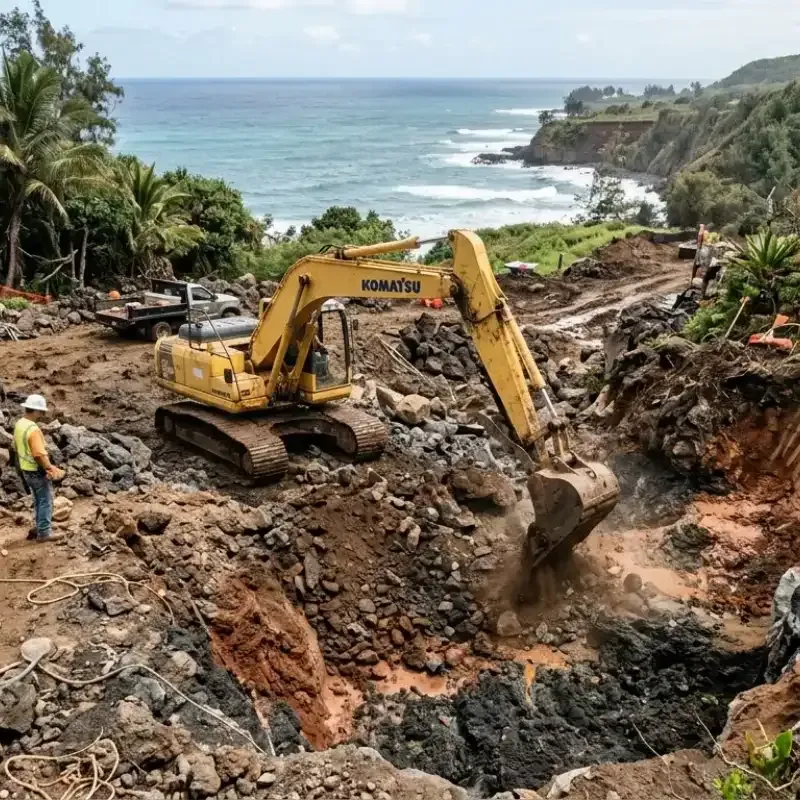
Hawaii’s soil conditions vary dramatically across short distances. Volcanic rock, compacted clay, loose fill, and moisture-sensitive soils can exist within the same property. Digging into lava rock is not comparable to digging into mainland soil. Standard homeowner tools are often ineffective, leading to uneven depths and unstable trenches.
In many areas, excavation means cutting through hardened rock layers or dealing with soils that shift when exposed to moisture. Improper digging can destabilize the surrounding ground, causing future settling or erosion. Professional excavation services in Oahu account for these conditions before the first bucket of soil is moved.
Excavating near Oahu’s coastline requires special attention to salt exposure, erosion, and soil stability. Learn about the challenges of excavating near the coastline in Oahu’s salt-exposed environment to prepare your project for lasting success.
Precision Matters More Than People Realize
DIY excavation often relies on visual judgment rather than precise measurement. That approach may work for planting trees, but it fails when excavation supports foundations, retaining walls, drainage systems, or utilities.
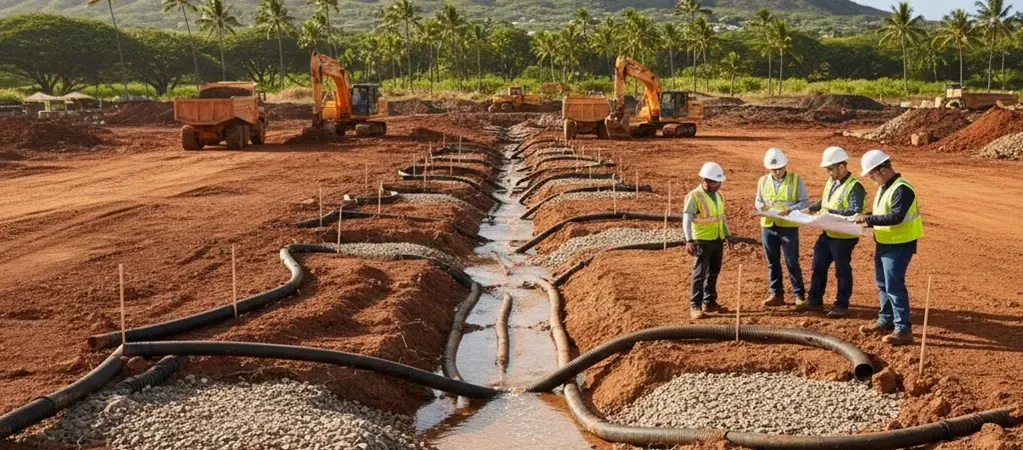
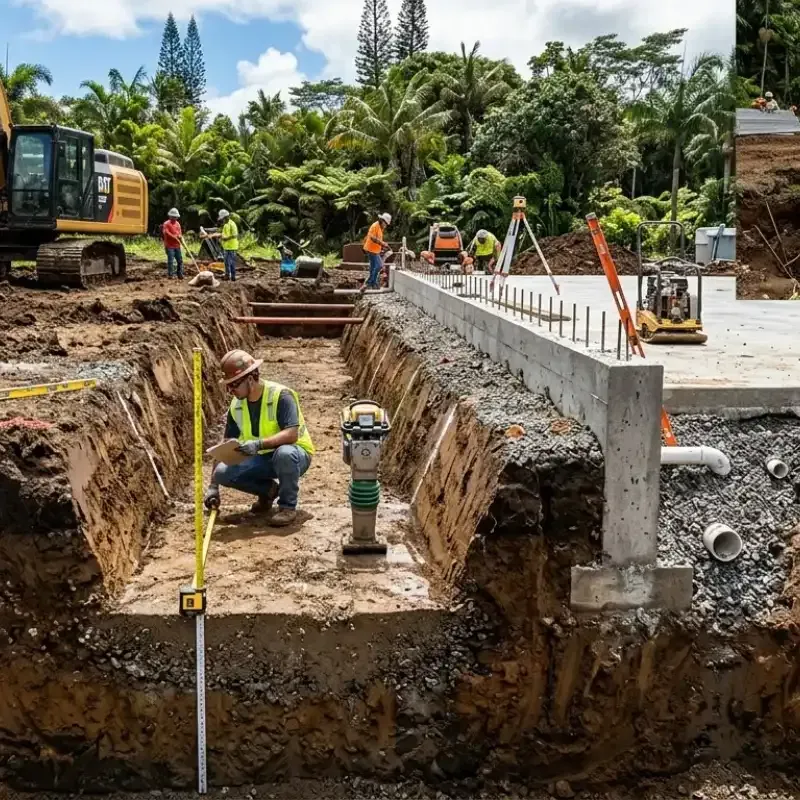
Professional excavation follows exact depth, slope, and compaction requirements. Trenches must meet specific grades to allow proper drainage. Footings must sit at consistent elevations to prevent structural stress. Small deviations during excavation can create long-term problems that are difficult and expensive to correct later.
In Hawaii, where heavy rainfall is common, improper grading can lead to water pooling or erosion that compromises structures within a few seasons.
Safety Is a Serious Concern
Excavation carries risks that many homeowners underestimate. Trench collapses, falling debris, equipment accidents, and underground utility strikes are real dangers. Hawaii’s dense urban utility infrastructure increases the likelihood of encountering water lines, electrical conduits, or sewer systems.
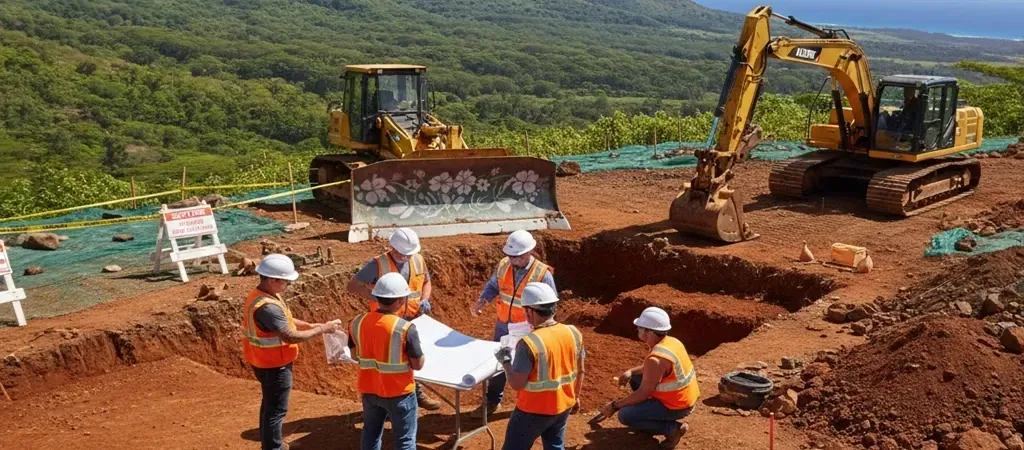
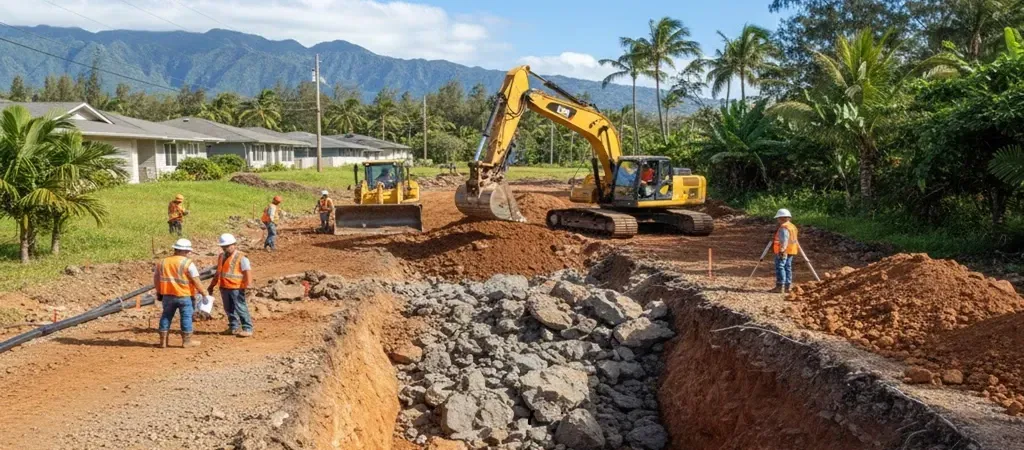
Professionals follow safety protocols designed to protect workers and surrounding property. This includes proper trench support, controlled equipment operation, and utility verification before digging begins. DIY projects often skip these steps, increasing the risk of injury or property damage.
Even shallow trenches can collapse under the right conditions. Soil type, moisture content, and vibration from nearby activity all affect trench stability. These are not variables that inexperienced diggers can reliably assess.
Excavation work carries serious risks that require strict safety practices to prevent injuries.
Environmental Responsibility
Hawaii enforces strict environmental protections, especially regarding soil disturbance, runoff control, and erosion prevention. Excavation that ignores these rules can lead to fines or mandatory remediation.
Our excavation team includes erosion control measures such as silt fencing, proper spoil placement, and drainage management in every project plan, preventing sediment from entering waterways and protecting surrounding ecosystems.
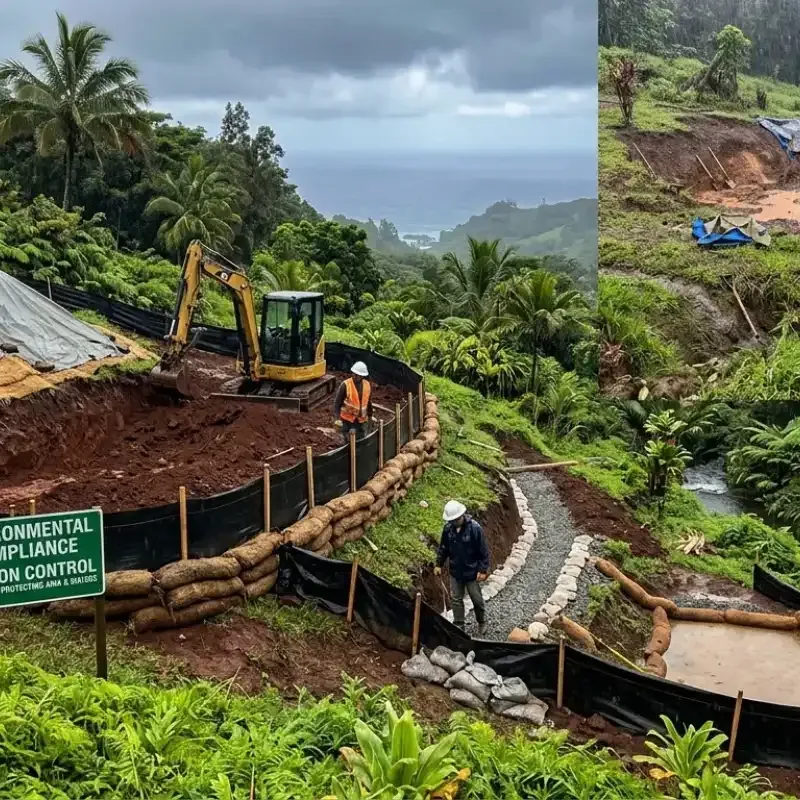
DIY digging often overlooks these responsibilities. Exposed soil left unprotected during rain events can wash away quickly, damaging neighboring properties and natural habitats. In Hawaii’s sensitive environment, these mistakes carry serious consequences.
Equipment Makes a Measurable Difference
The tools used for excavation directly impact the quality of the work. Shovels and rental equipment have limitations, especially when dealing with rock, compacted soil, or large volumes of material.
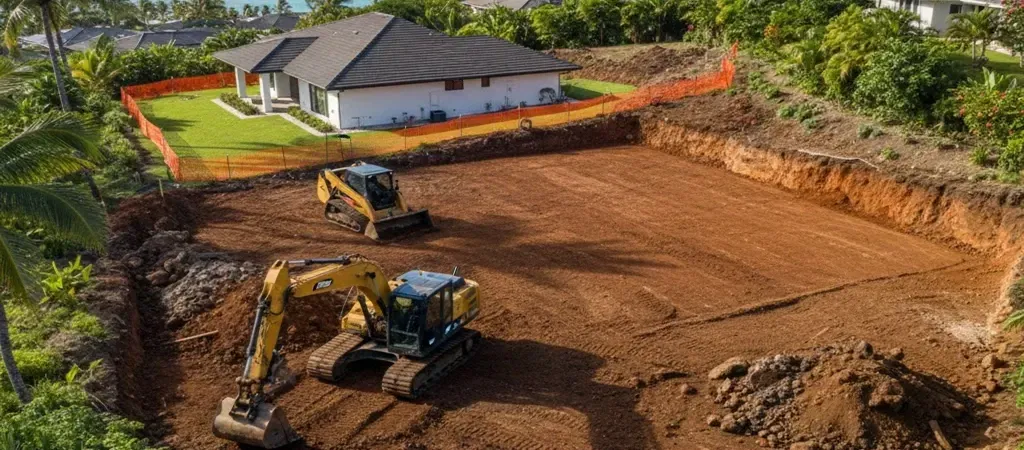
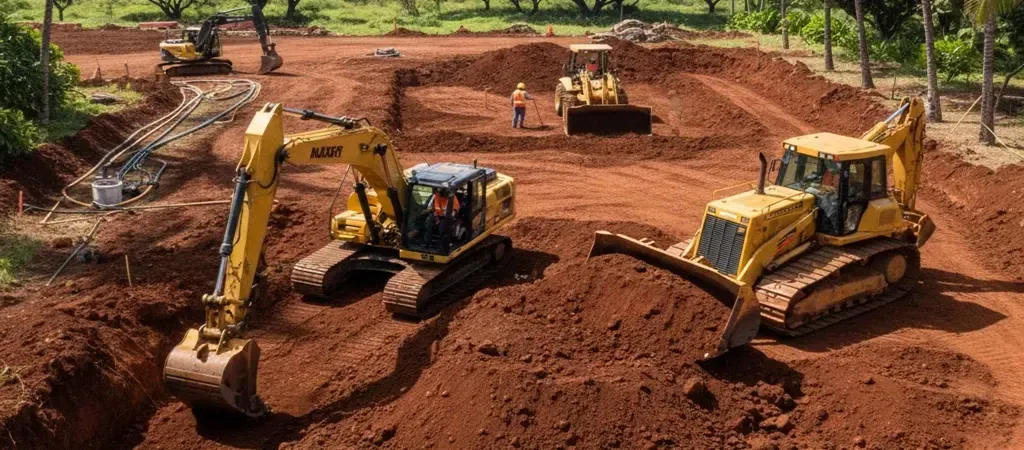
Professional excavation uses machinery designed for specific tasks. Excavators, compactors, and grading equipment allow controlled, consistent digging. This precision reduces the need for rework and ensures proper soil stability once excavation is complete.
Attempting large-scale digging without the right equipment often leads to uneven results. Overdigging, underdigging, and improper compaction create conditions that compromise any structure built afterward.
Sequencing and Planning Are Often Overlooked
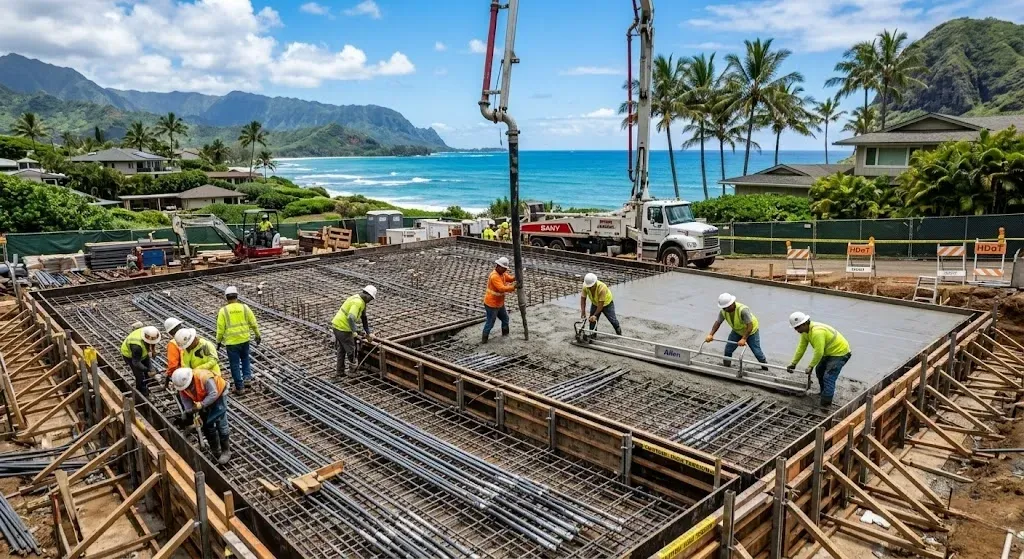
Excavation is not just about removing dirt. It is part of a larger construction sequence that affects every phase that follows. Poor excavation disrupts foundation work, drainage installation, and concrete placement.
Professional excavation accounts for project sequencing. Soil is removed in stages. Subgrades are prepared for specific loads. Trenches are coordinated with utility installation and backfill requirements. Each step supports the next.
DIY digging often treats excavation as an isolated task. This lack of planning leads to repeated digging, unnecessary soil movement, and delays that increase overall project costs.
Understanding property boundaries, setbacks, and underground utilities is critical before starting any excavation project. Learn the property line, setback, and utility rules you must know before excavating in Oahu to keep your project safe and compliant.
Long-Term Performance Depends on the First Cut
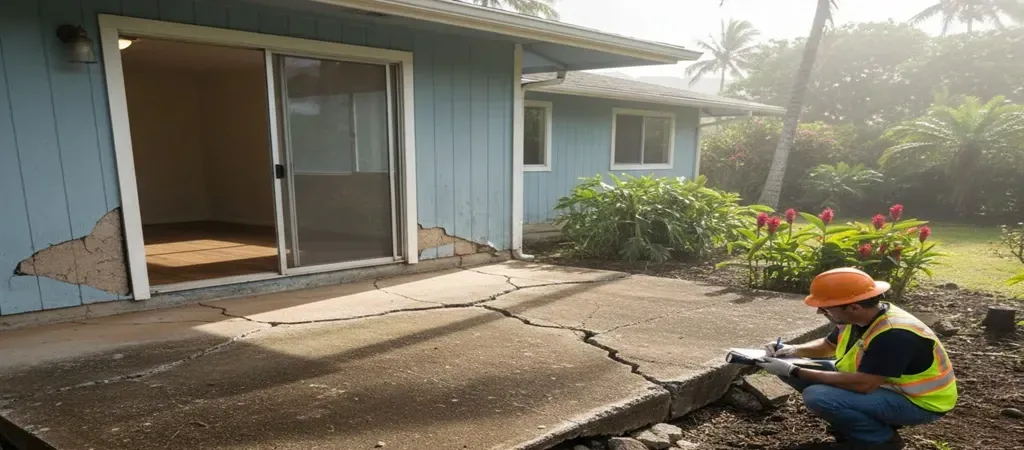
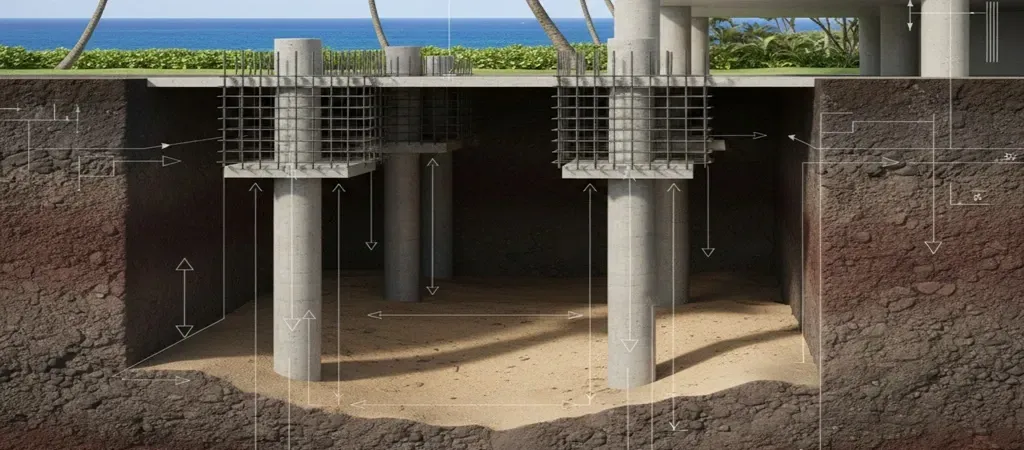
What happens underground determines how long a structure will last. Uneven excavation creates stress points. Poor compaction leads to settling. Incorrect slopes cause drainage failures.
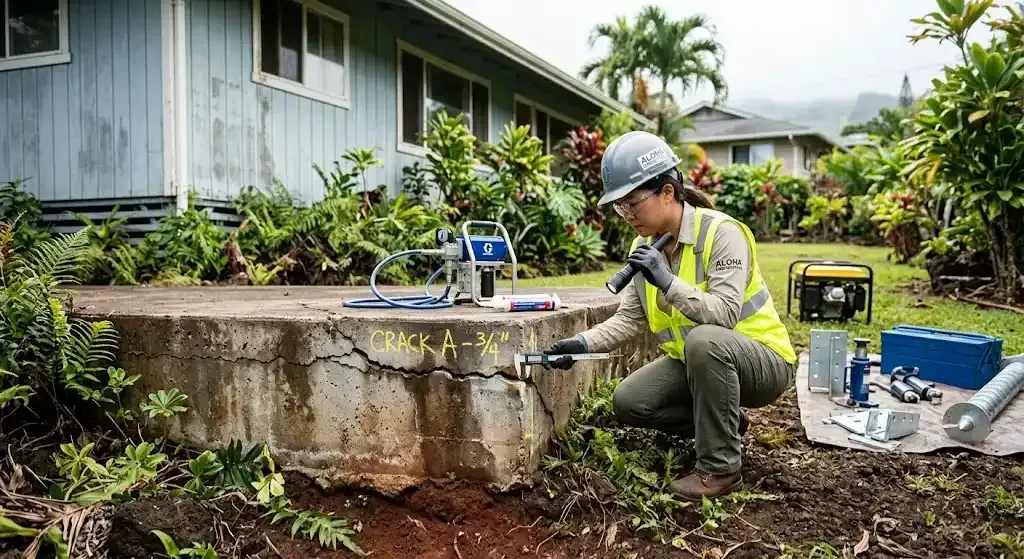
In Hawaii, where moisture, heat, and soil movement are constant factors, excavation quality directly affects durability. Retaining walls lean, slabs crack, and drainage systems fail when excavation is done incorrectly.
Professional excavation aims to prevent these issues before they occur. The focus is on creating stable conditions that support long-term performance rather than short-term convenience.
DIY Costs More Than It Appears
DIY digging may seem cheaper initially, but hidden costs add up quickly. Equipment rentals, tool wear, disposal fees, and rework expenses often exceed expectations. Mistakes require professional correction, which costs more than doing the job correctly from the start.
Time is another factor. Excavation projects that should take days can stretch into weeks when handled without experience. Weather delays and unexpected obstacles further complicate timelines.
Professional excavation reduces uncertainty. Work proceeds efficiently because the crew anticipates challenges rather than reacting to them.
Excavation costs in Oahu vary based on soil, terrain, access, and site-specific conditions. Learn about the factors that influence excavation costs for Oahu homes to plan your project more accurately and avoid surprises.
Final Thoughts
Excavation in Hawaii demands more than effort and good intentions. It requires technical understanding, precision, and respect for the land itself. DIY digging may be suitable for minor landscaping, but it falls short when excavation supports structures, drainage, or long-term site stability.
Professional excavation services stand apart because they address what lies beneath the surface. They manage risk, protect the environment, and create a foundation for lasting construction. In a place as geologically complex as Hawaii, excavation is not an area where shortcuts pay off.
Choosing expertise over improvisation is not a luxury. It is a practical decision grounded in safety, performance, and long-term value. Making the right decisions for your project requires experienced guidance and proven knowledge.