Why Proper Drainage Planning Is Critical During Excavation in Oahu
Critical Insight: Proper drainage planning during excavation in Oʻahu is essential due to the island’s varied soils and heavy rainfall. Without managing surface and subsurface water, projects risk erosion, foundation failure, and costly repairs. Planning for drainage early ensures structural stability, regulatory compliance, and long-term performance.
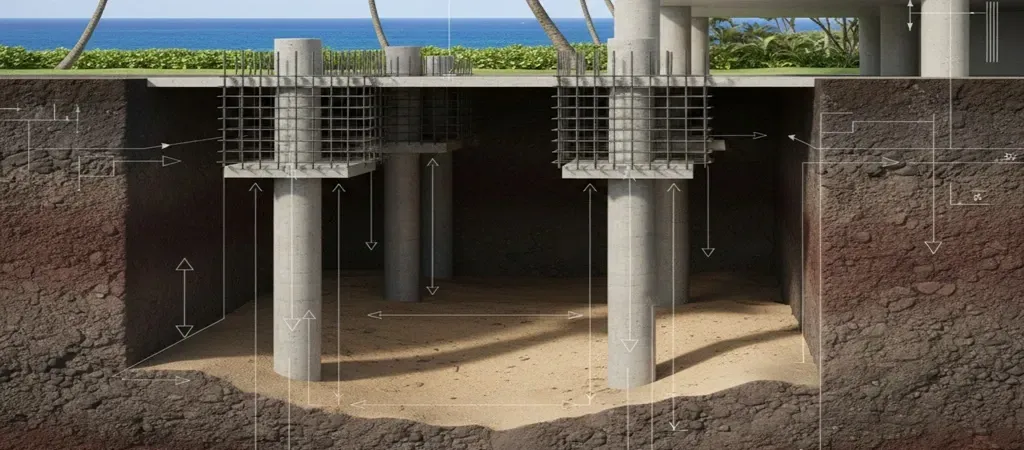
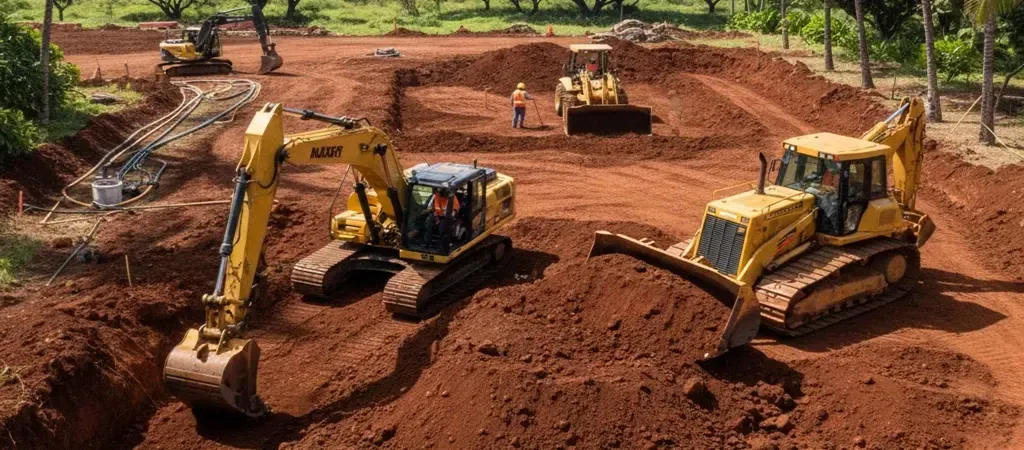
Oʻahu’s climate, soil composition, and topography create conditions where poor drainage planning leads directly to erosion, foundation movement, flooding, and premature structural damage. That is why drainage is not a secondary concern during excavation. Ignoring drainage during excavation is one of the most common and costly mistakes made in residential and small commercial construction across the island.
Oʻahu’s Soil and Rainfall Create Unique Excavation Risks
Unlike mainland construction sites, Oʻahu features a mix of volcanic soils, clay-heavy layers, coral fill, and weathered rock. These materials behave very differently when saturated. Clay soils expand and retain water. Volcanic soil drains unevenly. Coral fill allows rapid movement that can undermine support if not managed properly.
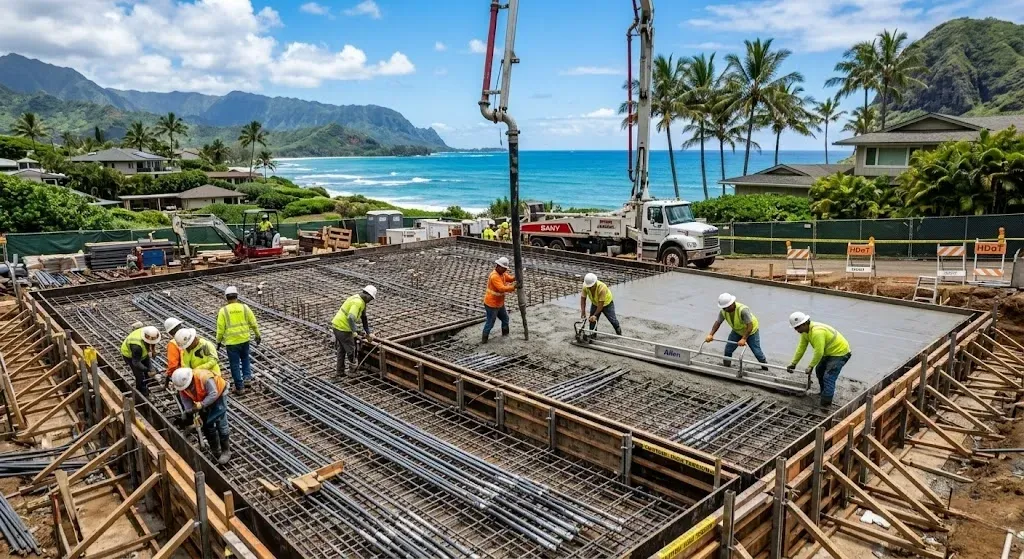
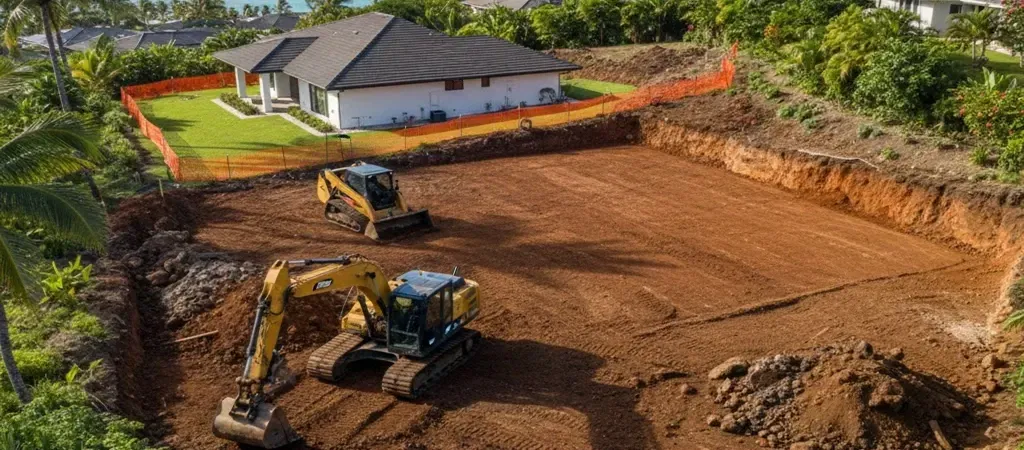
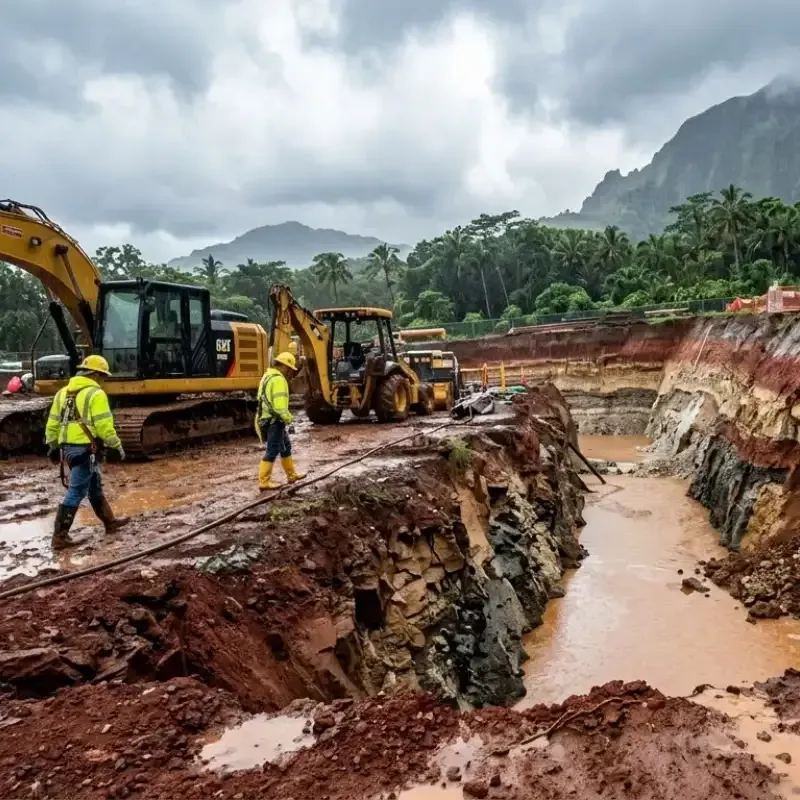
Add to this Oʻahu’s rainfall patterns. Sudden downpours are common, especially in windward areas like Kāneʻohe and Mānoa. Even leeward zones experience intense seasonal storms. Excavation sites that lack drainage planning can fill with water in minutes, destabilizing trench walls and footings before concrete is even poured.
Based on excavation services in Oahu, many structural failures blamed on materials or workmanship actually start with unmanaged water beneath the surface.
What Proper Drainage Planning Actually Means
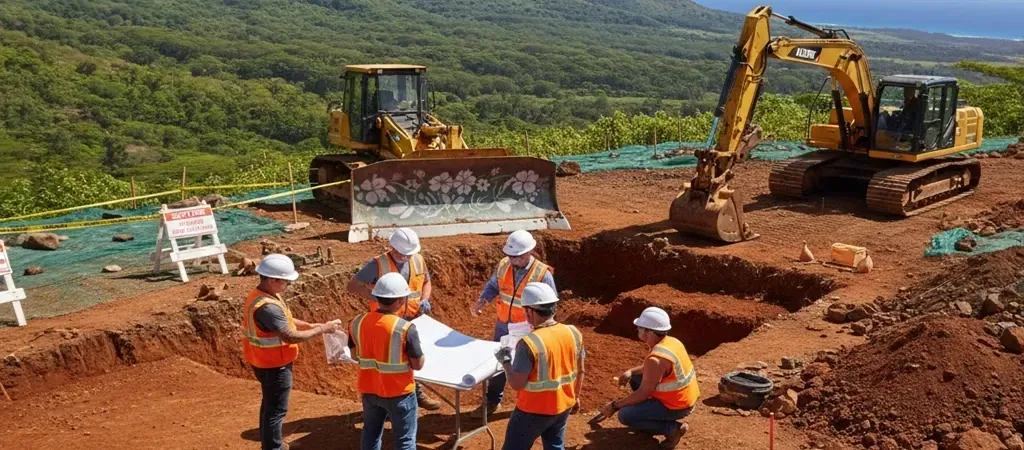
Drainage planning during excavation starts before digging begins. A proper plan evaluates:
- Natural slope and water flow direction
- Soil permeability and compaction behavior
- Depth of excavation relative to groundwater
- Proximity to neighboring structures
- Where water will go during and after construction
In Oʻahu, excavation without a clear water exit path almost guarantees future issues. Water always finds the lowest point. If that point is under a slab, fence post, or retaining wall, failure becomes a matter of time, not chance.
Common Drainage Mistakes Seen During Excavation
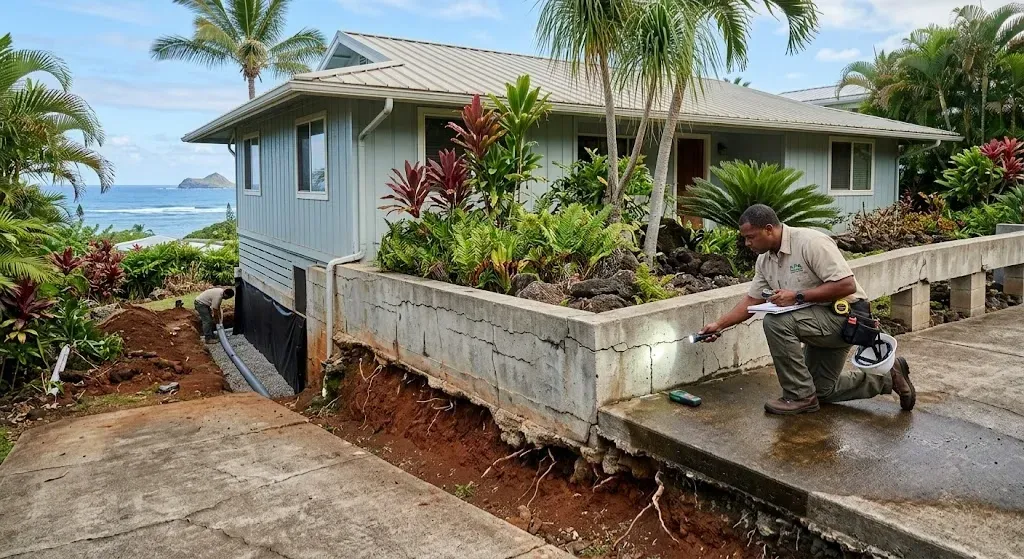
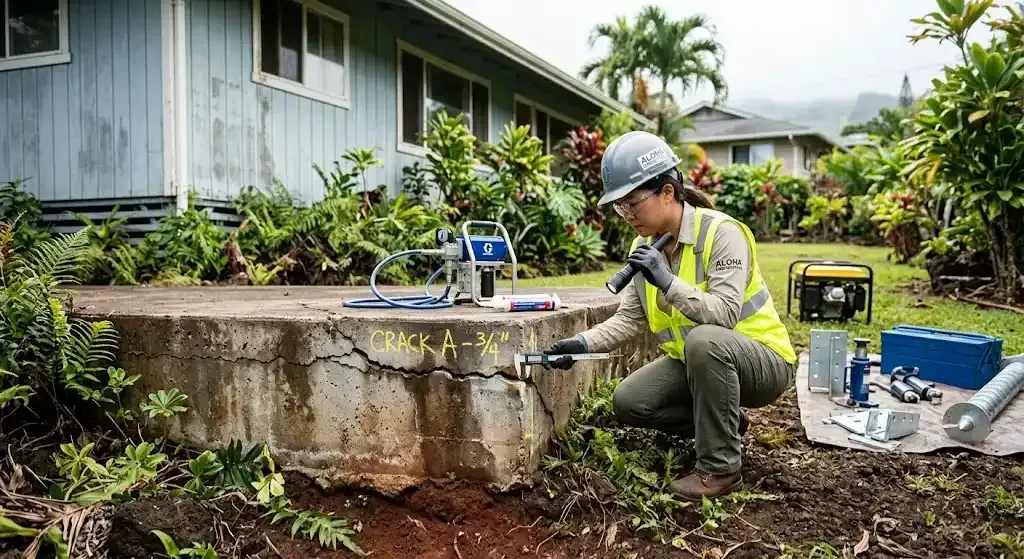
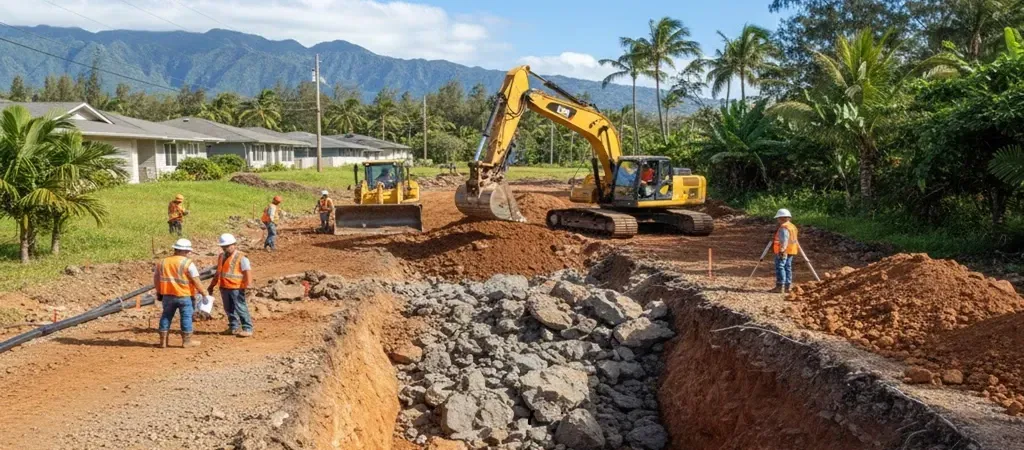
One of the most common mistakes excavation services see is assuming surface grading alone will handle water. While grading helps, it does nothing for subsurface saturation. Water trapped below grade exerts pressure that can crack concrete, shift footings, and loosen post bases.
Another common error is skipping drainage because the site looks dry at the time of excavation. Dry conditions are misleading. Many areas of Oʻahu drain slowly and only reveal issues during prolonged rain.
Some projects rely on backfill material to absorb water rather than redirect it. This often worsens the problem. Saturated backfill loses strength and creates voids as it settles.
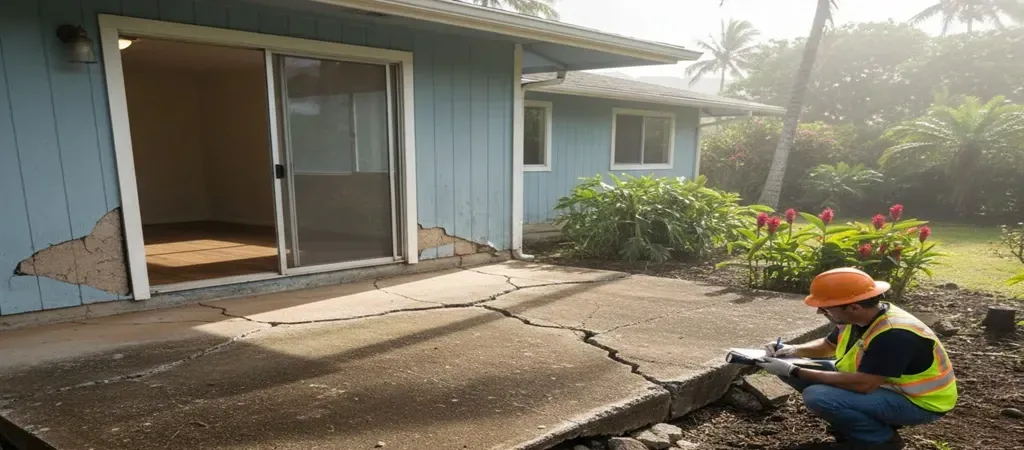
These mistakes are rarely obvious at first. They appear months or years later as leaning fences, cracked walls, or uneven surfaces.
Tradeoffs and Smarter Decisions
Drainage planning does add upfront cost and time to excavation. French drains, gravel layers, and proper trench design require labor and materials. However, the tradeoff is long-term stability versus repeated repairs.
According to our excavation experts, skipping drainage may save money initially, but it increases the likelihood of:
- Re-excavation
- Structural reinforcement
- Water damage remediation
- Permit complications for future work
A smarter decision weighs lifecycle cost rather than installation cost. In Hawaiʻi’s climate, water management always wins that comparison.
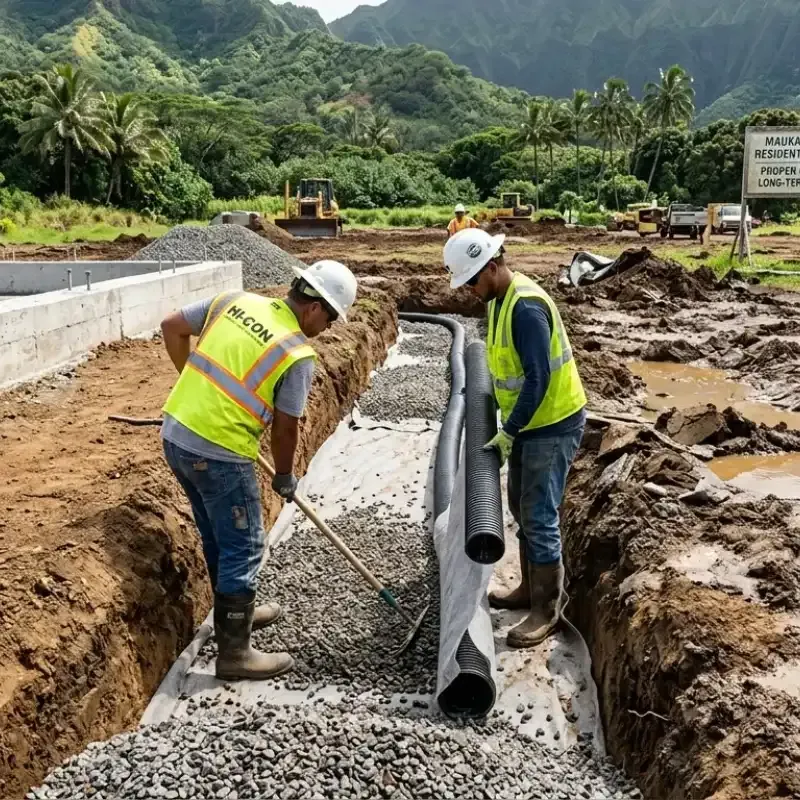
Why Excavation Drainage Is More Critical in Oʻahu
Mainland excavation practices do not always translate well to island conditions. Many mainland regions have deeper frost lines, different soil compaction standards, and more predictable rainfall patterns.
Oʻahu’s shallow bedrock, coastal influence, and erosion-prone slopes require localized decision-making. Drainage solutions that work in dry continental climates often fail here.
The University of Hawaiʻi College of Tropical Agriculture and Human Resources highlights how tropical soils react differently to moisture and compaction, especially in construction contexts. The Hawaiʻi Department of Health also emphasizes erosion and sediment control due to runoff risks impacting reefs and waterways.
Proper drainage planning during excavation is not only structural protection. It is environmental responsibility.
Real-World Experience Matters in Drainage Planning
In real excavation work across Oʻahu, drainage problems almost always trace back to early planning decisions. Projects that succeed long-term account for water movement from day one. Projects that struggle often treat drainage as an accessory rather than a foundation element.
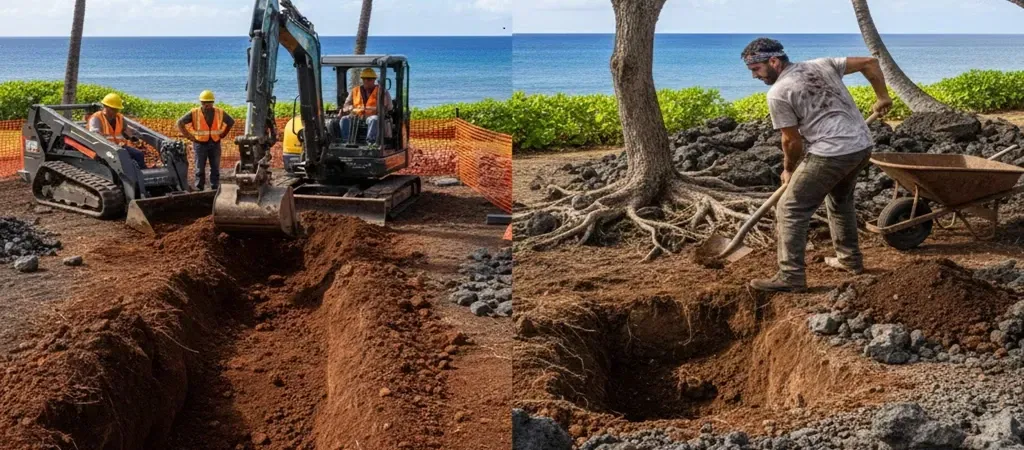
Seeing how trenches behave after heavy rain provides lessons no blueprint can fully capture. Water patterns reveal weaknesses quickly. Experienced planning anticipates those patterns before they cause damage.
To get a better understanding, find out What Sets Professional Excavation Services Apart from DIY Digging in Hawaii.
Local Regulations and Environmental Considerations
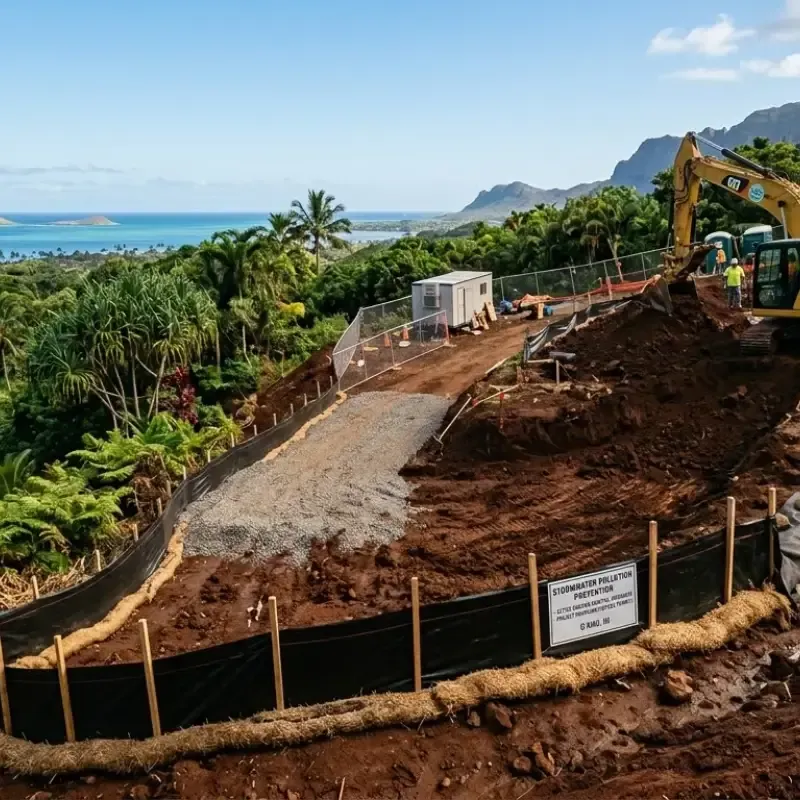
Oʻahu has strict erosion and runoff regulations for a reason. Poor drainage during excavation can send sediment into storm drains, streams, and coastal waters. This damages ecosystems and creates legal risk for property owners.
The City and County of Honolulu’s stormwater quality regulations outline requirements for controlling runoff during construction. Ignoring drainage planning can result in stop-work orders or fines, especially on sloped lots.
Understanding these rules early protects both the project timeline and the surrounding environment.
Learn more about How Oahu’s Volcanic Soil Affects Residential Excavation Projects.
Clear Takeaway for Property Owners
Proper drainage planning during excavation in Oʻahu is not optional. It is a critical structural decision that determines longevity, safety, and compliance.
If excavation is part of your project, the smartest move is to ask direct questions about drainage before work begins:
Where will water go during heavy rain?
How is subsurface water managed?
What materials support long-term drainage?
If those answers are unclear, the plan is incomplete.
Final Thought
Excavation sets the stage for everything built on top of it. In Oʻahu, water is always part of that stage. Planning for it early is the difference between construction that endures and construction that slowly fails beneath the surface.