Why Concrete Repairs Are So Common In Oahu
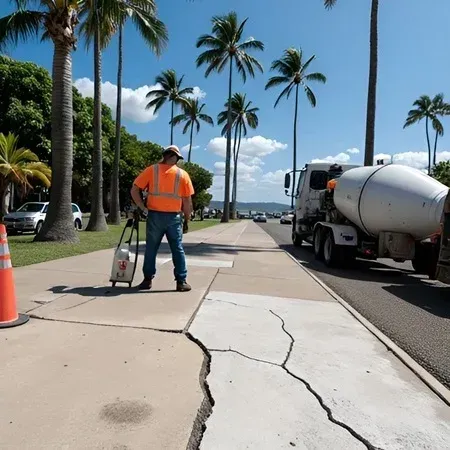
Concrete is a durable material. But when handled carelessly, it can have many pitfalls. Concrete has its enemies, and the number one topping this list is moisture. No matter how strong concrete can be, it is not indestructible. Certain elements can reduce their lifespan.
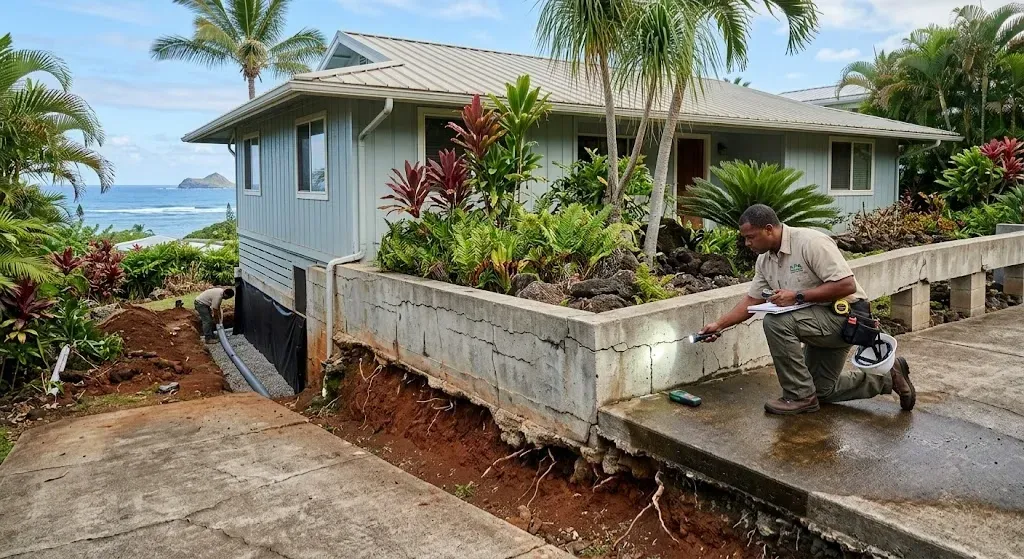
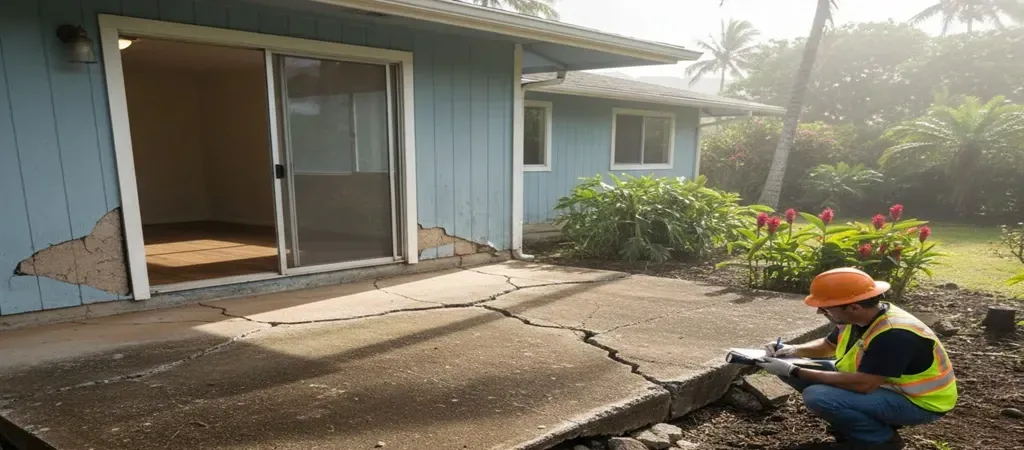
Concrete is an impeccable concrete construction material. In Oahu, concrete is a widely used component in most construction sites. It is essential to identify concrete failures, even if it's a bit cracked. Today, a tiny crack can aggravate a large hole on your floor or wall.
Many agents can damage concrete with moisture, its number one attacker. In Oahu, its climate contributes to the failure in concrete, so concrete repairs have become prevalent in the region.
What are Concrete Repairs?
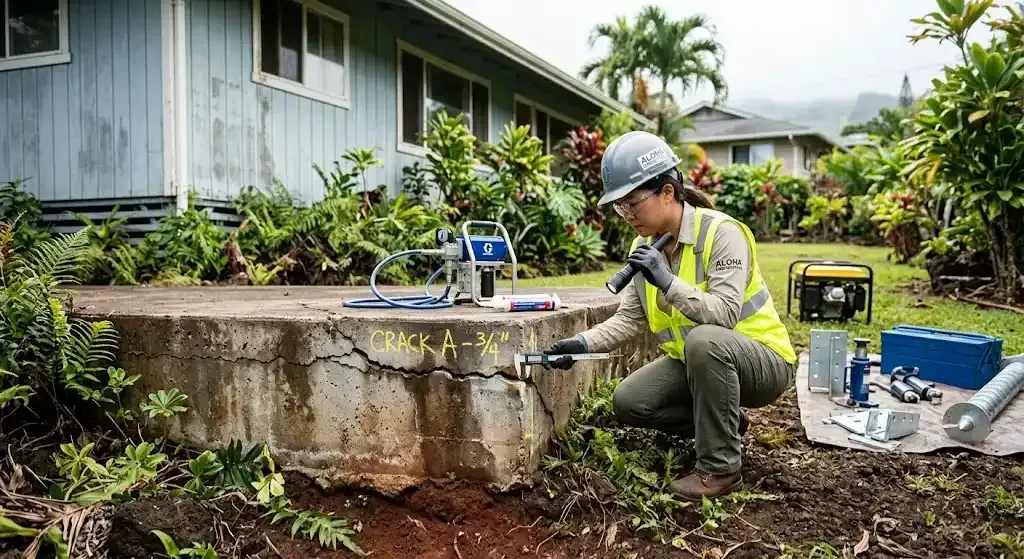
Concrete contractors in Oahu are skilled with concrete repairs. A concrete repair is fixing an already hardened concrete over time. The repairs are only eligible to concrete that has lost its ability to bind concrete materials due to environmental and climate conditions. Concrete maintenance is best for cracks or chipped edges.
There are various steps to follow to repair concrete cracks in Oahu.
- Clean the concrete surface with a chisel to remove debris or loose material.
- Use a broom or soft bristle brush to clean the area to be repaired.
- Rinse the area to be repaired with enough water.
- Use a cement repair solution or a vinyl pat thing compound.
- Smother the mixture into cracks. Level the surfaces to a vast smooth look.
- Leave the surface to dry.
In Oahu, there are common causes of concrete repairs. It may be environmental or man-made.
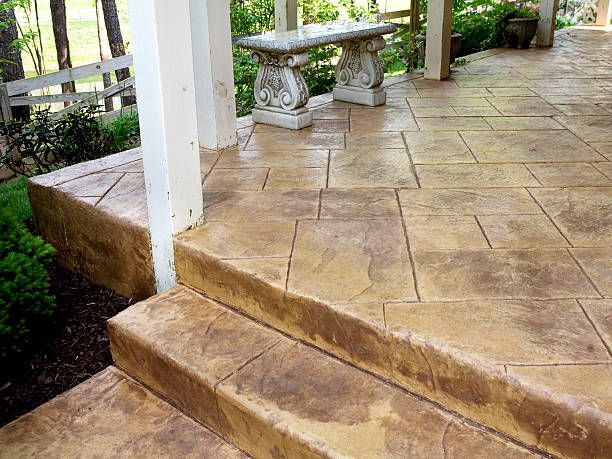
Causes of Concrete Repairs in Oahu
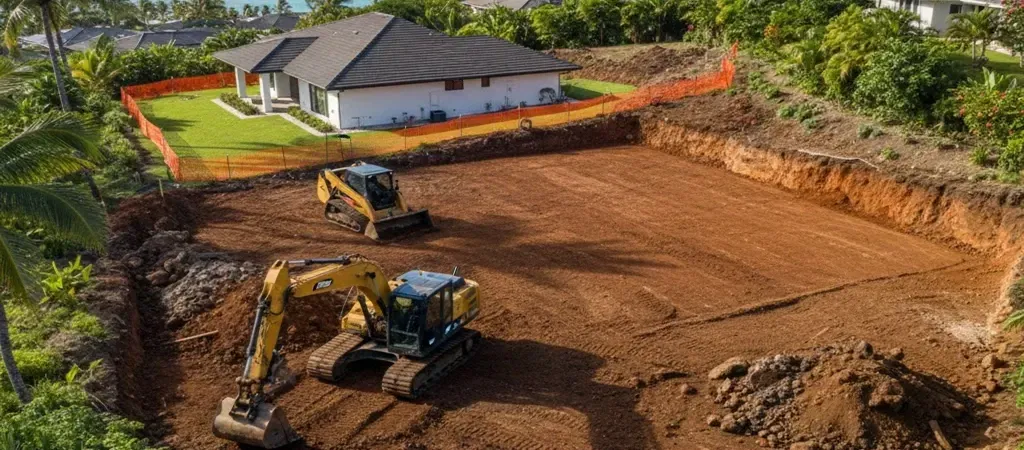
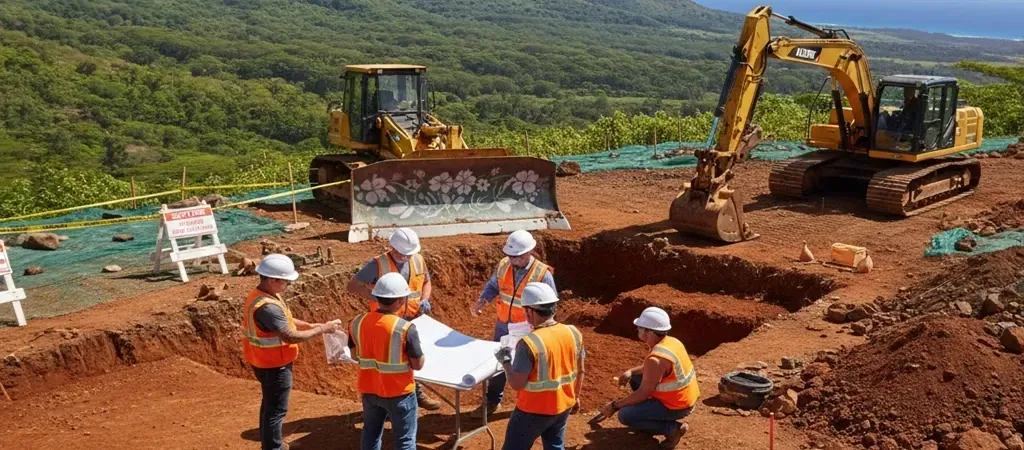
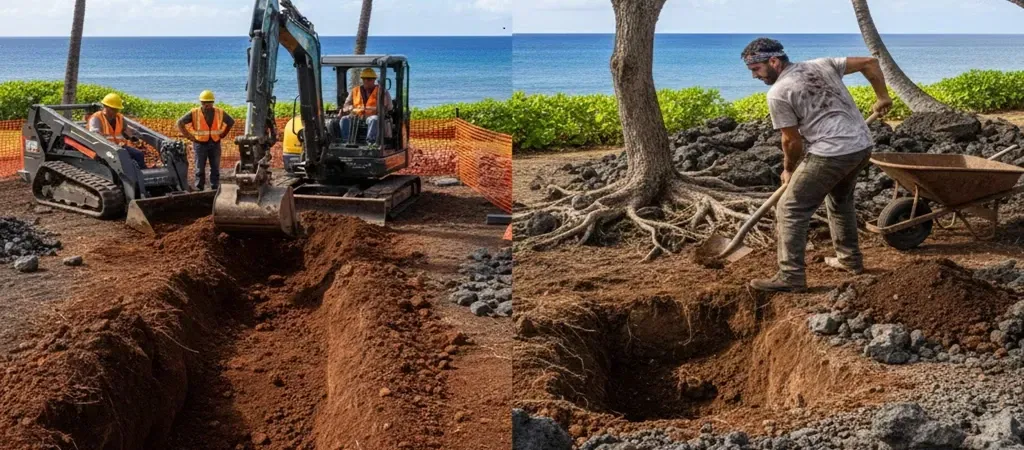
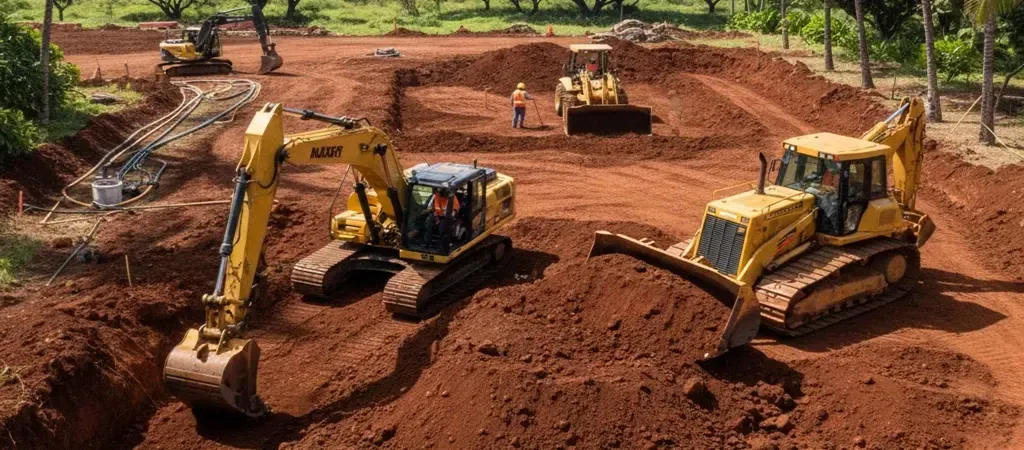
Four in Seven concrete problems are always related to soil structure problems in Oahu. Geologists are significantly concerned over a substantial early deterioration in Oahu. The following are causes of concrete repairs in this city;
Dry Soil
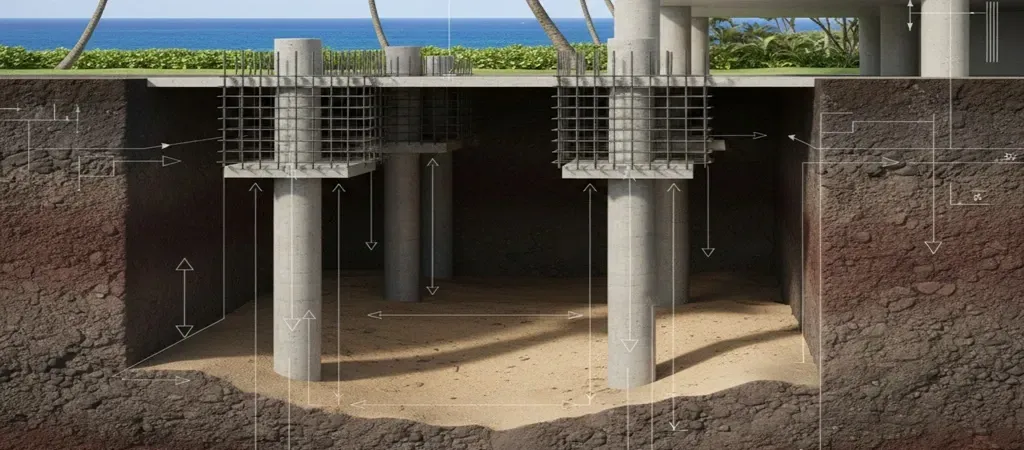
The soil nature in Oahu contributes to the never-ending concrete repairs. During dry seasons, the soil beneath the concrete tends to shrink. It begins to shrink, creating voids or gaps between the earth. If much weight is placed on the concrete, the vacuum creates cracks, and soil begins to sink in. A little step on the concrete causes cracks and holes when this happens.
Compressed Soil
Soil movement around a building can lead to poor soil compartments. Even when the soil is replaced, it can't be compared to the original soil structure. A compressed soil would become resistant to distribution under the concrete. When there is excessive space underneath concrete, any slight movement or pressure makes a crack.
Excess Moisture
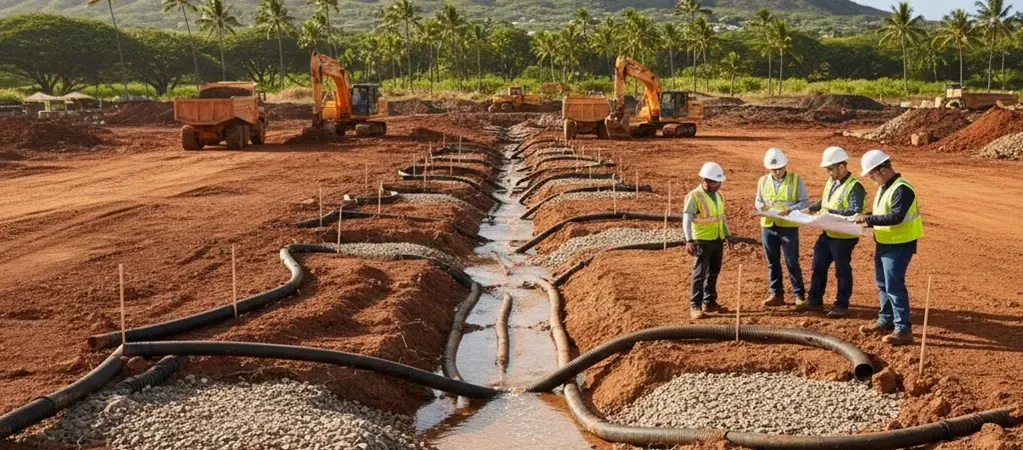
It is easier for water to penetrate the concrete slab during the rainy season because of the cracks left by the dry season. When the soil becomes too wet, it barely supports the concrete.
In Oahu, the rainy season can be a consistent downpour. Concrete slabs break and water sinks into spaces created from the gaps during the dry season. The soil no longer supports the concrete, detaching from the slab.
Conclusion
Different environmental factors in Oahu contribute to the frequent cracks and concrete repairs. These factors are unavoidable, as they are a natural phenomenon. But with proper maintenance and care, these turbulences in concrete slabs can be avoided.