DIY Concrete Projects: Tips and Tricks from the Oahu Concrete Professionals
Are you planning to start a new concrete build or maybe renovate an existing space and transform it into a refreshing new design? Maybe you’re wondering if your skills are enough to deliver close-to-quality results without the need for professional installation.
DIY projects are an amazing way of learning new skills, expressing creativity, and personalizing your own space. It is considered cost-effective as it doesn’t stack on labor costs and added professional fees. Beyond the financial benefits, doing projects DIY can also give you flexibility and control in how you can go about the timeframe and style of your build and a sense of personal achievement.
Here are some of the tips and tricks our experts at Oahu Concrete Professionals have to offer to help you achieve the best outcome in your DIY venture.
Planning and Preparation
- Project Scope - Understand the type of project you are planning to start, whether it is a patio, driveway, or a decorative feature for your property. Knowing the details and scope of your project can give you insight into the work process involved and what tools and materials are needed to get it started.
2. Site Preparation - before laying down the groundwork, be sure the area is properly clear and free of clutter, debris, and other elements that can hinder the construction.
Choose the Right Concrete Mix
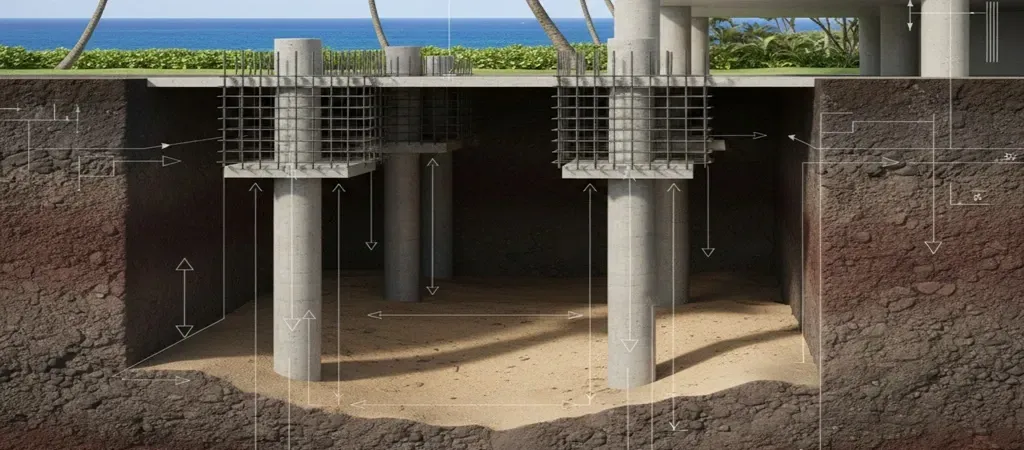
- Strength and Durability - for structural applications like foundations, footings, and load-bearing structures, use a mix with higher PSI, higher cement content, and lower water-to-cement ratio to achieve a solid result.
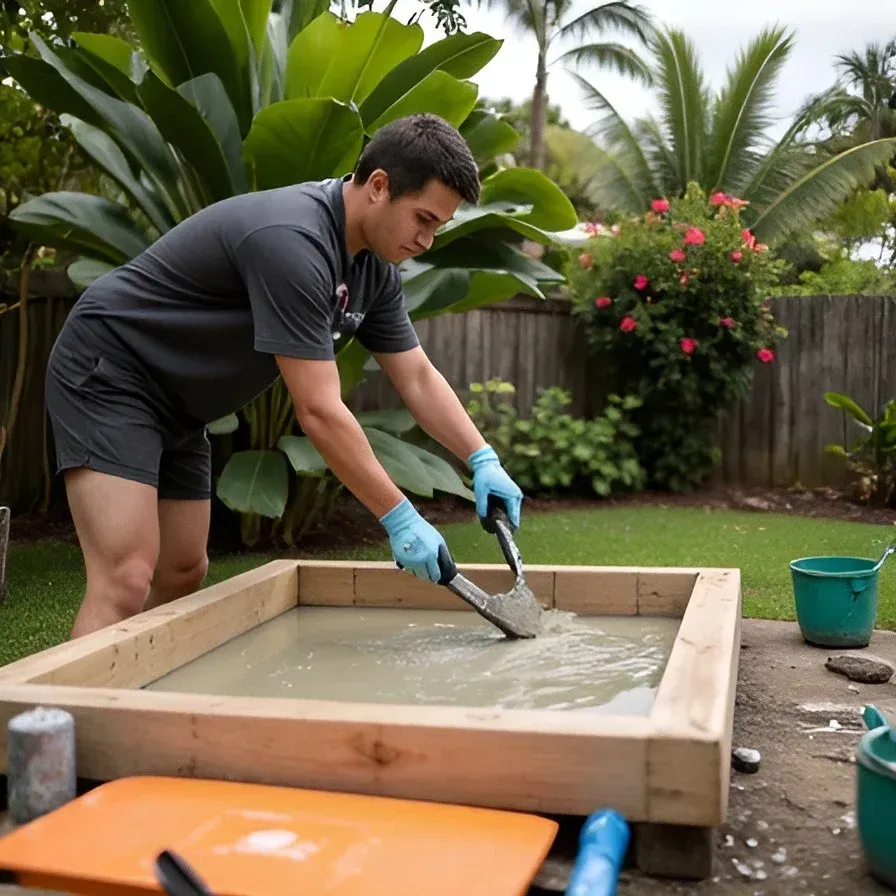
- Mixing - Be sure that the ratio is done according to your build type and that your mixture is blended well and not watery.
Tools and Equipment
- Concrete Mixer - For heavy-duty or mid-projects, getting a concrete mixer can save time and ensure a more consistent mix to your cement.
- Trowels and Floats - Having a variety of tools at hand like different types of trowels is a plus for smoothing and edging your cemented surfaces. For larger surfaces, bull floats is one of the recommended tools for the job.
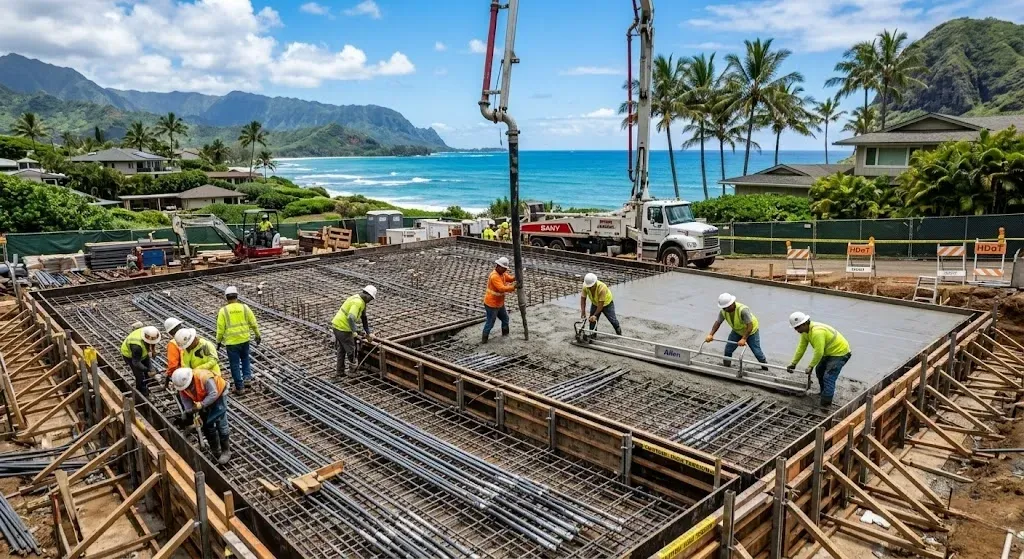
- Rebar and Wire Mesh - These features are used for reinforcement and are an essential integration in driveways for residential properties, depending on the size of the area, you can use a wire mesh for smaller projects or rebar for the needed load-bearing capacity.
Working Efficiently and Systematically
- Timing - Keep proper track of your timing when handling your concrete. After the concrete is poured, it can begin to set quickly. It is best to have the required tools prepared and work in sections if dealing with larger areas so that you can manage the process more efficiently.
- Smoothing and Finishing - Use trowels and floats to smooth out the surface and fix any imperfections, but be sure not to overdo this step as it might weaken the finish of your material.
Curing Process
- Moisture and Maintenance - Curing is an important process in strengthening your concrete, keep the surface hydrated and moist by frequently spraying it with water or covering the structure with a plastic sheet.
- Curing Time - Concrete usually has a curing time of 24-48 hours before it is well enough to lightly walk on but up to 2 weeks before it is well done and good enough to use for heavier use.
Adding the Decorative Elements
- Stamping - If you are looking into adding decorative patterns to your concrete surface, it is best to do it while the top is still soft and slightly wet to be flexible for any aesthetic formation. Stamping is one of the easiest and most affordable decorative styles to add to your concrete with a variety of patterns to choose from as well.
- Coloring - there are 2 ways of coloring your concrete, you can mix the color into your cement mixture to ensure the longevity of the hue or you can add it as a stained finish for the surface for a vibrant and if preferred, a high-gloss finish as well.
Safety Precautions
- Protective Gear - safety in the workspace is everything. Always make sure to wear gloves, safety glasses, and a mask to protect yourself from dust and chemicals released from the construction.
- Heavy Loads - handling concrete can be difficult by yourself as concrete is a heavy material. Ensure you are knowledgeable of lifting methods or enlist some help when transferring resources and equipment to avoid physical injury from too much strain.
Seek Help When Needed
Even the most experienced DIYers can benefit from professional advice. When coming across issues and challenges within your construction, it is always best to seek guidance from your
local concrete experts to ensure your DIY build is moving on the right track. They may also give you some helpful tips to ensure quality results for your project based on their own professional experiences.
Contact us to know more!